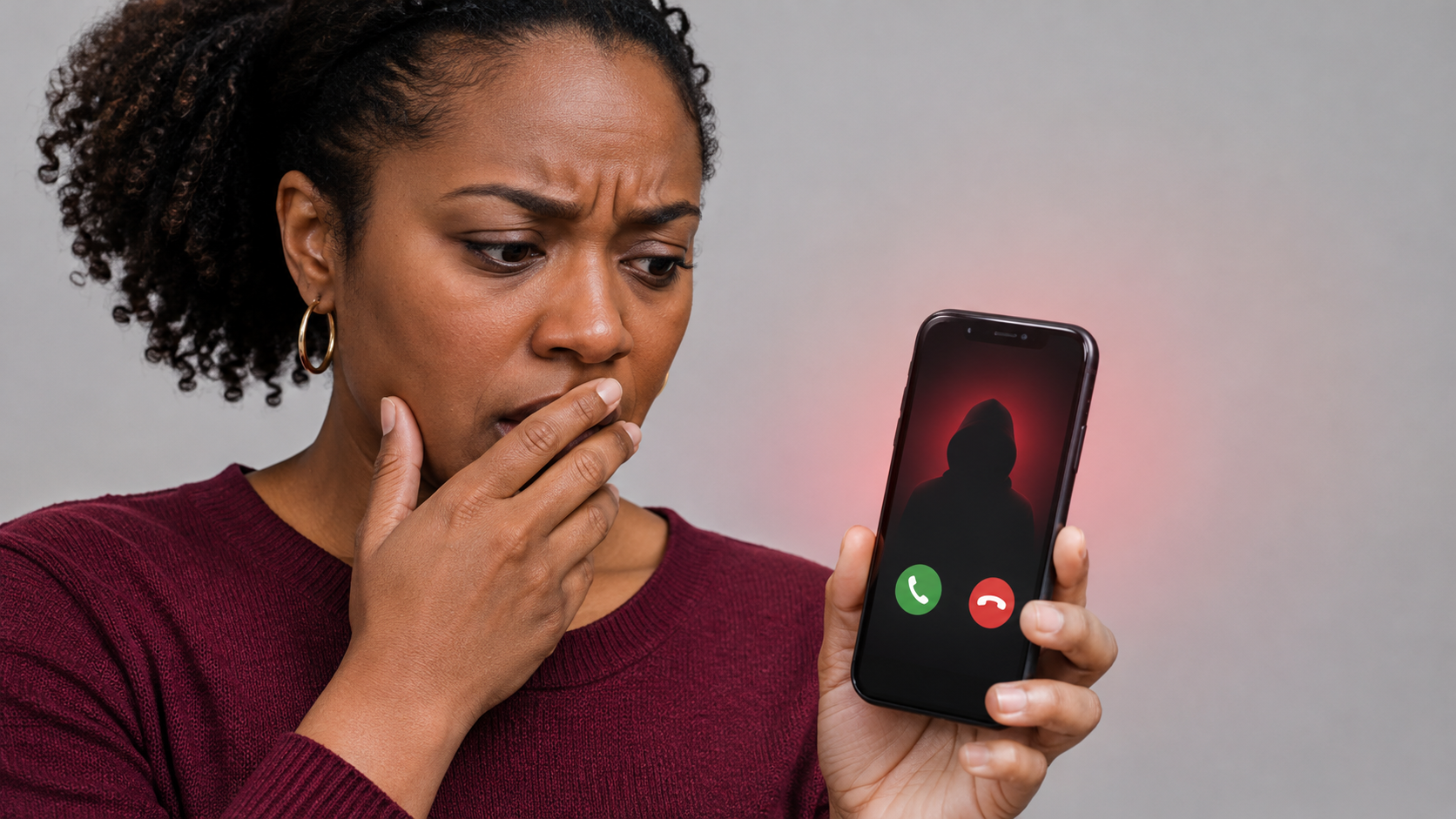
FCC scam calls are still going around, and the pitch is designed to scare you. A caller claiming to be an FCC commissioner or staffer tells you your phone number is under investigation for criminal activity. The Federal Communications Commission, the federal agency that regulates phone, radio and TV, put out a consumer alert about the scheme on August 10 and was clear about it. These calls and texts are scams.
Months later, they have not stopped. People are still reporting these calls this weekend.
The FCC issued the warning after people started reaching out to Commissioner Anna Gomez to tell her scammers were using her name. Some callers drop the names of real FCC employees to make the story sound legitimate. Once you’re nervous, the goal is to get you to pay, hand over personal or financial information, or call a special “law enforcement hotline” that leads right back to the scammers.
The FCC laid out what its employees will never do. They will never call to tell you your phone number is under investigation. They will never send you to a special law enforcement hotline. They will never demand payment or personal or financial information, and they will never threaten you with legal action.
Payment is the biggest giveaway. The FCC does not ask for or accept money through cash, cash apps, cryptocurrency, store credit accounts or gift cards. Anyone asking you to pay that way is running a scam.
These FCC scam calls fall under what’s called a government imposter scam, where someone pretends to be a federal agency or official and claims a problem can only be fixed with an immediate payment or by “verifying” your personal information. It remains one of the most reported fraud schemes in the country. The more elaborate versions claim the agency is investigating suspicious activity in your bank account and tell you to move your money into another account, or convert it to gold or cryptocurrency, to keep it safe. Once that money moves, it is gone. The FCC’s position is simple: no matter the pitch, it is always a scam.
Caller ID won’t protect you either. Scammers can fake, or “spoof,” the number that shows up on your screen to make it look like the call is coming from somewhere official. The FCC has warned in the past that its own consumer help line was spoofed this way.


Made to order and shipped to your door.
If you get one of these calls, hang up immediately. If the call or text includes a threat of violence or harm, report it to your local police right away. The FCC also recommends not answering calls from numbers you don’t recognize, not responding to texts or clicking links from unknown numbers, and never sharing account numbers, Social Security numbers, passwords or PINs. Ask your phone company about call blocking tools, or download a call blocking app.
The FCC says it has taken enforcement action against phone providers that turned a blind eye to scammers impersonating government agencies, internet providers, banks and major retailers. Under FCC Chairman Brendan Carr, the agency is also tightening the rules on who can place calls and pushing every voice provider to identify and block illegal calls before they reach your phone.
You can report FCC scam calls through the agency’s Consumer Complaint Center online or by calling (888) 225-5322. When you file, choose the “Phone” form and the “Unwanted Calls/Texts” issue. Include the number that showed up on caller ID, the number that received the call, the time it came in along with your time zone, the name the caller used, and any recording or screenshot you have.
Government and business imposter scams often target older Americans, so make sure your parents and grandparents know what an FCC employee will never ask them for.