

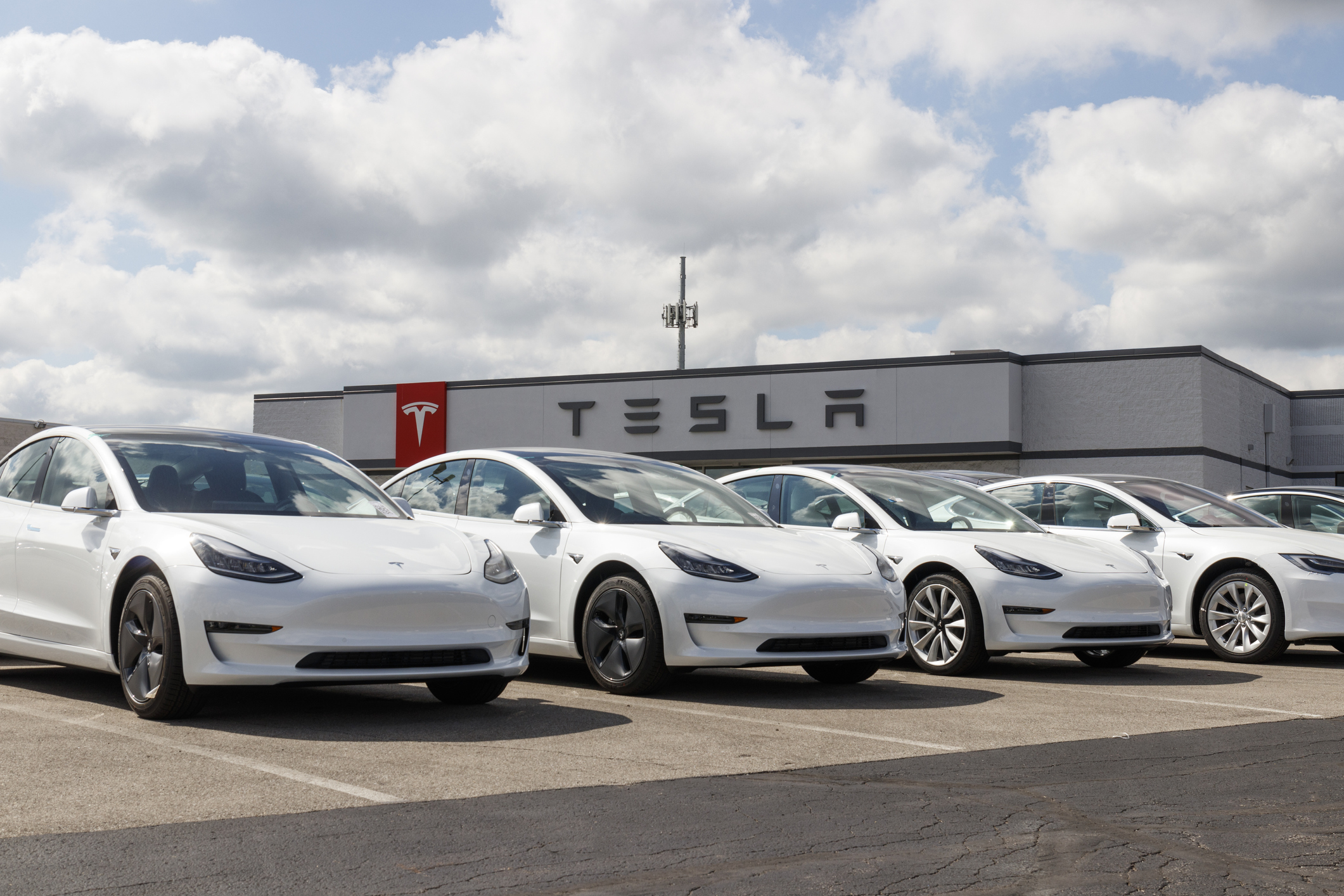
The Tesla trial over claims that Black workers at the company’s Fremont, California factory faced racial harassment, lower pay, and blocked promotions began Monday in Oakland.
The case was brought by the California Civil Rights Department, the state agency that enforces California’s anti-discrimination laws. In its lawsuit, filed in 2022, the department says Black workers at the Fremont plant were subjected to pervasive harassment from coworkers, including racial slurs and graffiti, and that Tesla failed to prevent it or stop it.
The state goes further than harassment. It accuses Tesla of paying Black workers less than their coworkers and keeping them from opportunities to move up. It also alleges the plant was racially segregated, with Black workers assigned to the lowest paying and least desirable jobs on the factory floor.Tesla has denied wrongdoing. The company has said it does not tolerate discrimination and that it has fired workers found to have engaged in misconduct. Tesla and its lawyers did not respond to Reuters’ requests for comment ahead of the trial.
Kevin Kish, director of the Civil Rights Department, said in a statement that the agency looks forward to holding Tesla accountable. Superior Court Judge Peter Borkon is overseeing the case, and it will be a bench trial, which means there is no jury. The judge alone will hear the evidence and decide whether Tesla broke California’s civil rights laws. The trial is scheduled to run through October 30.
The stakes for Tesla are high. Federal law puts a limit on how much money a court can award workers in a discrimination case, but California’s law does not. If Borkon rules against the company, Tesla could be ordered to pay many millions of dollars to the workers affected.
This Tesla trial is not the first time the company has been accused of mistreating Black workers at Fremont. The company has spent the last decade fighting claims that it allowed an environment at the plant that was extremely hostile to Black employees. It is also facing a separate racial harassment lawsuit from the U.S. Equal Employment Opportunity Commission, the federal agency that enforces workplace discrimination laws, along with dozens of lawsuits from individual workers making similar claims.
The most famous of those cases belonged to Owen Diaz, a Black man who worked as an elevator operator at the Fremont plant through a staffing agency. In 2021, a federal jury awarded him $137 million after he testified that he was called racial slurs and saw racist drawings at work. A judge later cut that award, and a second jury in 2023 awarded Diaz $3.2 million.
