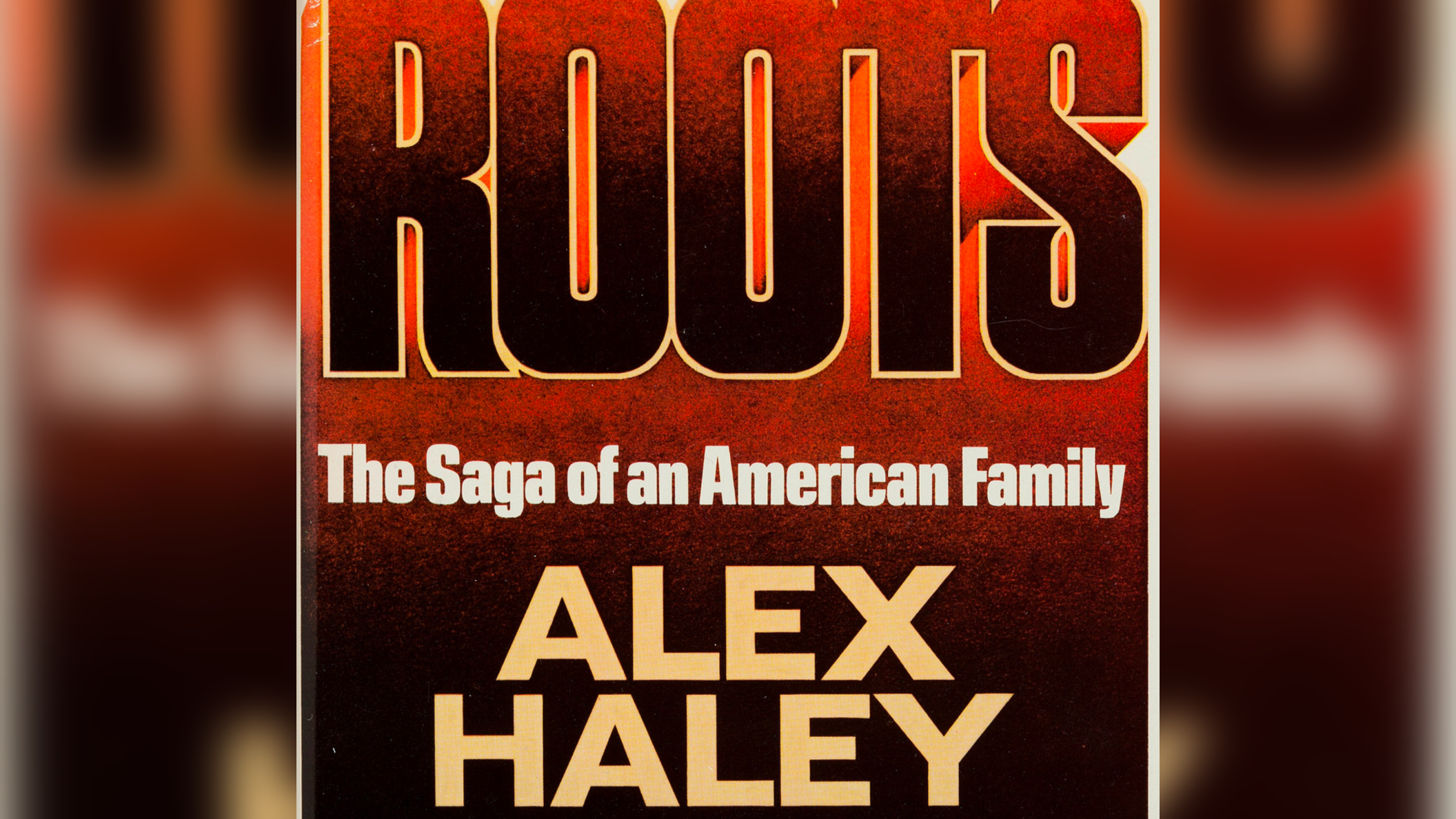
A Tennessee school district has officially removed Alex Haley’s historic novel Roots: The Saga of an American Family from its school libraries.
The decision was confirmed on Thursday, adding the acclaimed book to a growing list of 118 titles banned by the district over the last two years.
District spokesperson Carly Harrington stated that the removal was not a reaction to the overarching historical themes of the book, which details the multigenerational story of Haley’s enslaved ancestor, Kunta Kinte, and his descendants in the United States. Instead, officials targeted a single paragraph in Chapter 84 that was flagged as sadomasochistic.
School officials cited Tennessee’s 2022 Age-Appropriate Materials Act as the legal requirement for the ban. The review committee focused strictly on whether specific passages met state standards for age appropriateness. Harrington explained that under current state law, the broader themes or historical significance of a complete literary work cannot be factored into the committee’s decision. Because of this rule, the district maintained that the removal is a matter of statutory compliance rather than a commentary on the cultural or literary importance of the book to the nation or the local Knoxville community.
The district does not track or document the original sources of book complaints, meaning the individual who flagged the novel remains anonymous. Roots had been reviewed by the book-banning committee during a prior evaluation cycle but was not restricted at that time. While the new ban completely bars the novel from library shelves, the material can still be utilized by teachers during classroom instruction.
Published in 1976, Roots earned Alex Haley a Pulitzer Prize and went on to inspire a groundbreaking television miniseries adaptation in 1977. The author’s grandson, Bill Haley, who co-founded the Inherited Roots Project, released a statement criticizing the district’s choice as short-sighted and lacking merit. He invoked his grandfather’s philosophy regarding the importance of studying diverse cultural histories and questioned the logic of the ban, pointing out that other American classics containing uncomfortable historical themes, such as The Adventures of Huckleberry Finn, are not facing the same library restrictions despite being offensive to certain readers.