

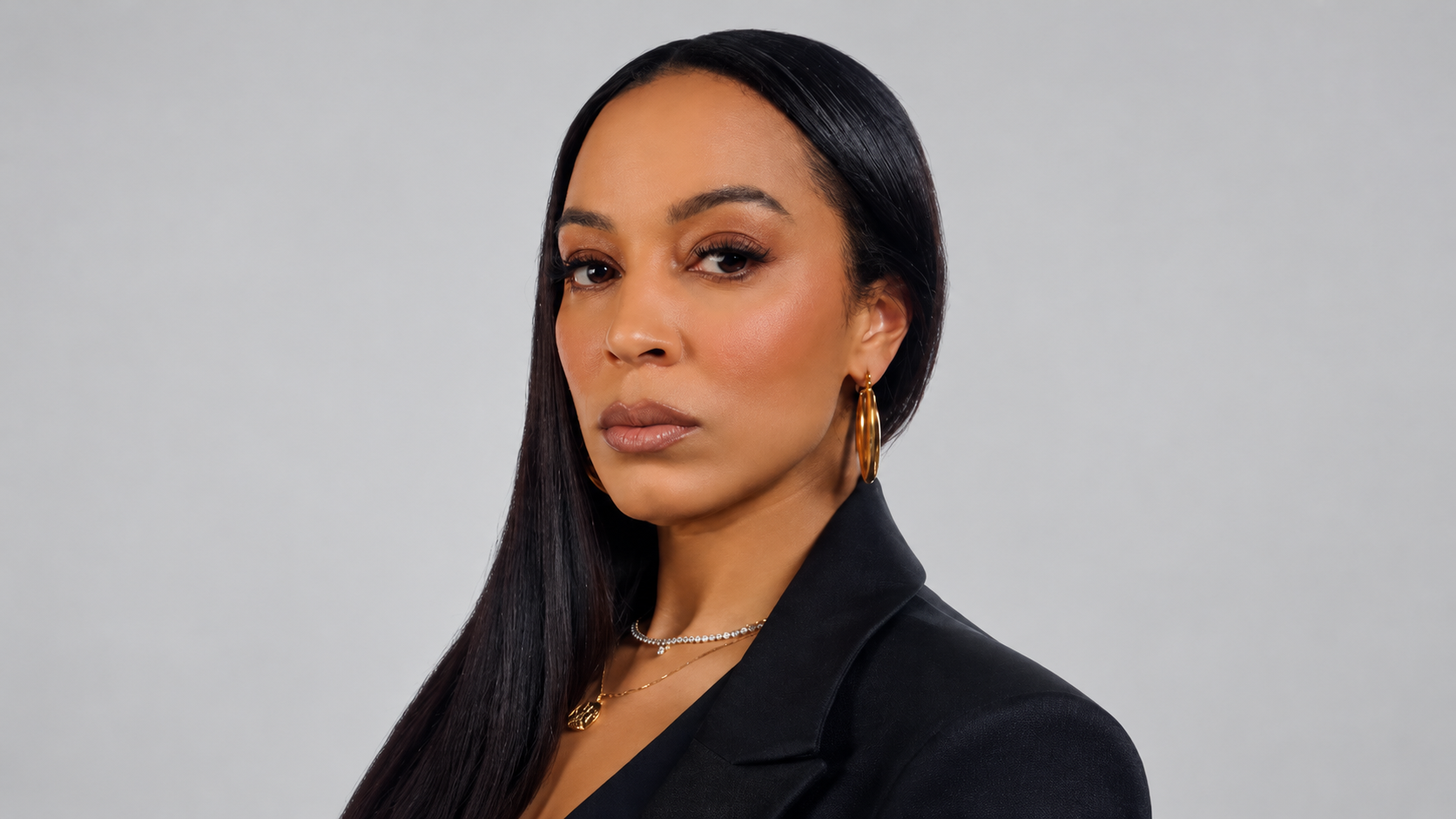
Angela Rye is tired of people getting loud with their opinions while coming up short on facts, and her newest project is making sure nobody gets away with spreading misinformation unchecked.
Video
The political commentator and former Congressional Black Caucus executive director is introducing “Cite Your Source,” a weekly YouTube series that puts politics, race, and Black culture under the microscope. However, unlike traditional debate shows, guests won’t be able to throw out questionable claims without being challenged to back them up.The concept is simple. If somebody says something that doesn’t add up, a buzzer interrupts the conversation, a record scratches, and that person must provide evidence supporting their statement.
In an exclusive interview with The Root, Rye explained why she believes the internet has created an environment where personal beliefs are increasingly being treated as established facts.
“I think the reality of it is we are living in a day and age where people think that there are two truths,” she said. “Our experiences can be different, but I don’t think that means that the facts can be.”
Rye knows firsthand how heated political conversations can become. During her years as a CNN commentator, she regularly participated in discussions where opposing sides seemed more interested in winning arguments than understanding each other.
“You would have two silos mostly, sometimes three, where people would find their person and root for their, you know, commentator A, B or C, and it would be their amen corner,” she recalled. “But no minds were being changed.”
Now, she’s changing the format by requiring accountability in real time.
The show’s buzzer and “record scratches” are designed to interrupt questionable statements before they go unchallenged.
However, Rye isn’t limiting the conversations to political talking points. She’s also addressing sensitive issues within the Black community.
The first episode examines modern-day lynching and challenges three controversial claims: whether lynching is strictly a thing of the past, whether Black people don’t die by suicide through hanging, and whether Black lives matter.
Rye admitted the episode was “hard,” especially when discussing suicide and the harmful assumptions surrounding it.
“Well, what happens when we do?” she asked, referring to Black people dying by hanging. “Does that post now shame people who are struggling with suicide, suicidal ideologies and thoughts?”
The discussion highlights how statements intended to raise awareness can sometimes reinforce harmful stereotypes or dismiss real experiences.
Beyond sensitive cultural conversations, Rye is also calling out the growing influence of podcasters, content creators, and social media personalities who share information with millions of followers.
“If you’re putting information out, shouldn’t you want to be telling the truth?” she questioned. “We shouldn’t seek to spread news that is inaccurate in part because sometimes there are legal consequences to sharing piss poor information. As their platforms grow, the consequences of sharing that information increases.”
She also pointed to Cardi B’s legal battle against a blogger as an example of how spreading damaging information can become an expensive mistake.
“It’s pricey to share information that’s not right,” Rye warned.
Rather than simply embarrassing guests who get their facts wrong, Rye wants audiences to develop stronger habits when consuming news online.
“We wanted to do that so that subconsciously, at some point in your mind when you read something that doesn’t sound quite right, you hear that record scratch and it’s compelling you to go into your research,” she explained.
Her advice is to “stress test” information before accepting it as truth.
“Don’t just rely on one source; rely on multiple,” she urged.
Future episodes will also tackle whether the N-word should be retired from everyday language, a debate that continues to divide generations within the Black community.
Still, Rye recognizes that not every cultural disagreement comes with a straightforward answer.
“I think the idea is for us to continually stress test,” she explained. “I think being in conversation, just like we would with our families at a kitchen table, is abundantly important.”
Ultimately, Rye wants “Cite Your Source” to encourage difficult conversations without immediately turning disagreements into personal attacks.
“We do need to talk to each other and not start at canceling,” she said. “We all want to treat each other with respect and love. Well, work backward from there.”
With misinformation spreading across social media and online debates constantly turning into shouting matches, Rye is betting that audiences are ready for something different.
And if her new series succeeds, the next time somebody makes a wild claim online, people might start asking one important question before hitting share: Where are the receipts?
