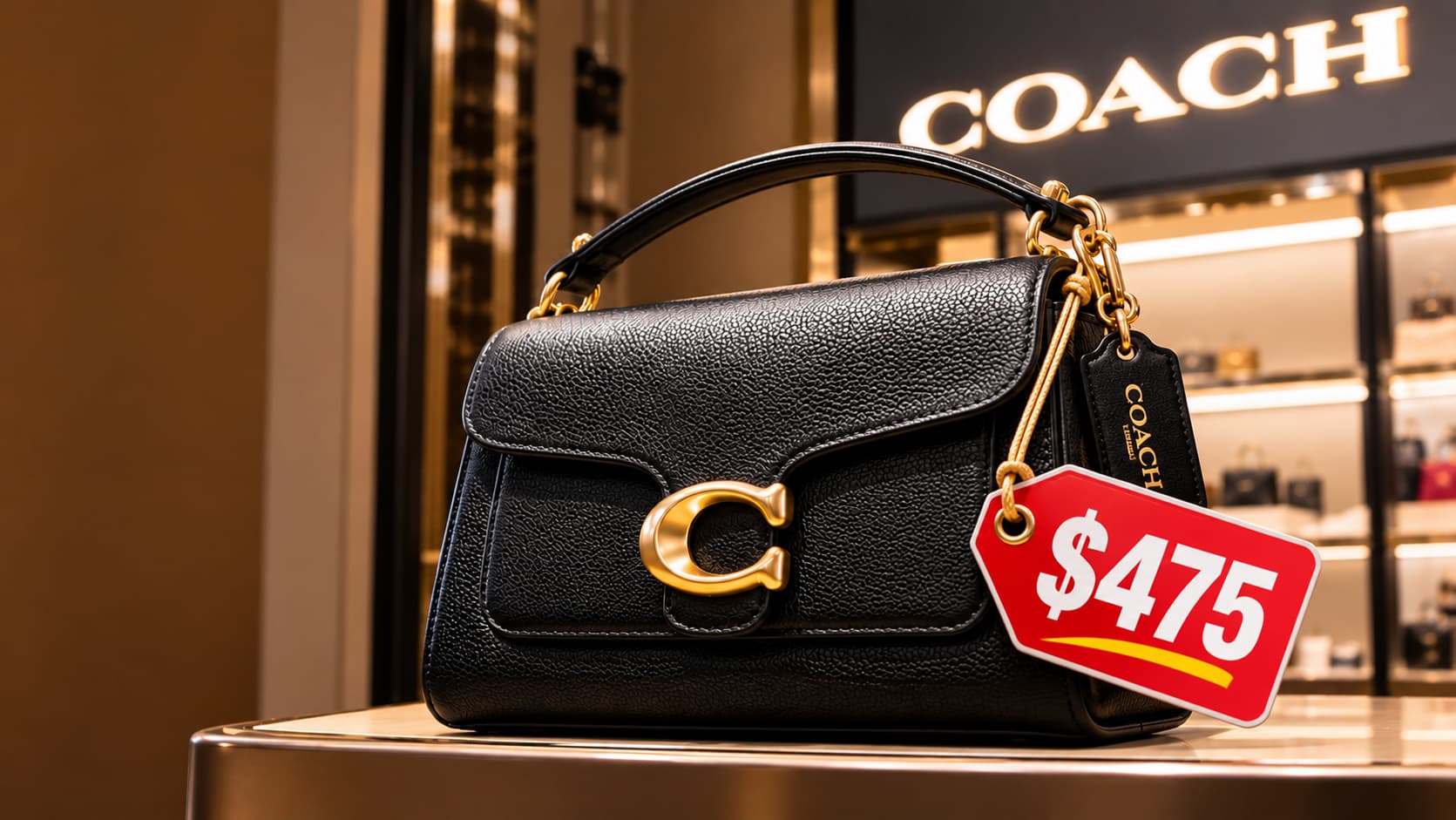
Coach bag prices are climbing, and shoppers who fell in love with the brand for its affordable luxury appeal are starting to notice. With reported increases of roughly 10% to 15% across popular styles, some handbags are getting more expensive as parent company Tapestry continues positioning Coach as a desirable luxury label for a new generation.
The changes are especially noticeable among Gen Z shoppers who helped turn Coach into one of fashion’s biggest comeback stories. From the Tabby to the Brooklyn and Empire Carryall, Coach handbags have become wardrobe staples, TikTok favorites, and collectibles for customers who regularly purchase new colors, sizes, and limited-edition releases.
Now, some of those same shoppers are discussing how much their favorite bags cost.
The classic Coach Tabby Shoulder Bag 26 currently retails for $475, putting the recognizable shoulder bag firmly in the $400 price range. That’s a significant purchase for younger consumers who once viewed Coach as a relatively affordable entry into designer handbags.
TikTok has played a major role in the brand’s resurgence. Unboxings, handbag collection tours, styling videos, and bag charm trends have helped transform Coach from a department store favorite into a fashion obsession. For collectors who want multiple Tabby colors or the latest seasonal release, even a $20 to $100 increase per bag can add up quickly.
The pricing conversation isn’t limited to everyday styles, either. In July, TikTok creator Mystic Maven questioned Coach’s $4,995 Tabby Shoulder Bag 26 featuring American craft quilting, comparing its price with the standard $475 version. Her reaction highlighted the growing gap between Coach’s accessible handbags and its more exclusive creations.
And Coach’s most expensive designs go considerably higher.


Made to order and shipped to your door.
The Coach Rogue Bag in Alligator and the Tabby Shoulder Bag 26 in Alligator are both listed at $10,000, placing them among the most expensive handbags currently advertised by the brand. Both use genuine alligator leather, far beyond the materials and pricing of Coach’s mainstream collections.
While those exotic designs aren’t representative of what most customers spend, they demonstrate how far Coach’s luxury ambitions extend.
The strategy is already producing financial results.
On November 5, Tapestry reported that Coach generated approximately $1.66 billion in quarterly revenue, an increase of 16% from the previous year. The company also reported a low double-digit increase in Coach’s average handbag selling price.
That average reflects the mix of bags purchased, not necessarily an identical percentage increase on every existing style. Still, shoppers are paying more per handbag while demand continues growing.
The company also attracted 2.6 million new customers across its brands during the quarter, with approximately 35% belonging to Gen Z.
Coach’s ability to attract younger buyers has become central to its success. Unlike traditional luxury houses where handbags can cost several thousand dollars, Coach has built its appeal around recognizable designs, quality leather, customization, and prices that feel attainable compared with higher-end competitors.
The brand calls its positioning “expressive luxury,” focusing on individuality and personal style rather than exclusivity alone.
Its sweet spot remains handbags priced between $200 and $500. However, Tapestry executives have also emphasized selling fewer products at heavily promotional prices and encouraging stronger demand for full-price merchandise.
That means Coach can continue appealing to shoppers who aren’t ready to spend thousands on a designer handbag while gradually increasing how much those customers are willing to pay.
For Gen Z collectors, the financial difference becomes more noticeable when buying multiple styles. Three Tabby 26 bags at the current $475 price would cost $1,425 before taxes, and that’s without adding the charms, chains, or accessories that have become part of the Coach styling experience.
Coach is still considerably more accessible than many traditional luxury fashion houses. But the brand’s growing popularity is changing the definition of affordable luxury for the shoppers who helped make it fashionable again.
The same TikTok enthusiasm that helped Coach reclaim its place in fashion is now putting its rising prices under a microscope.