

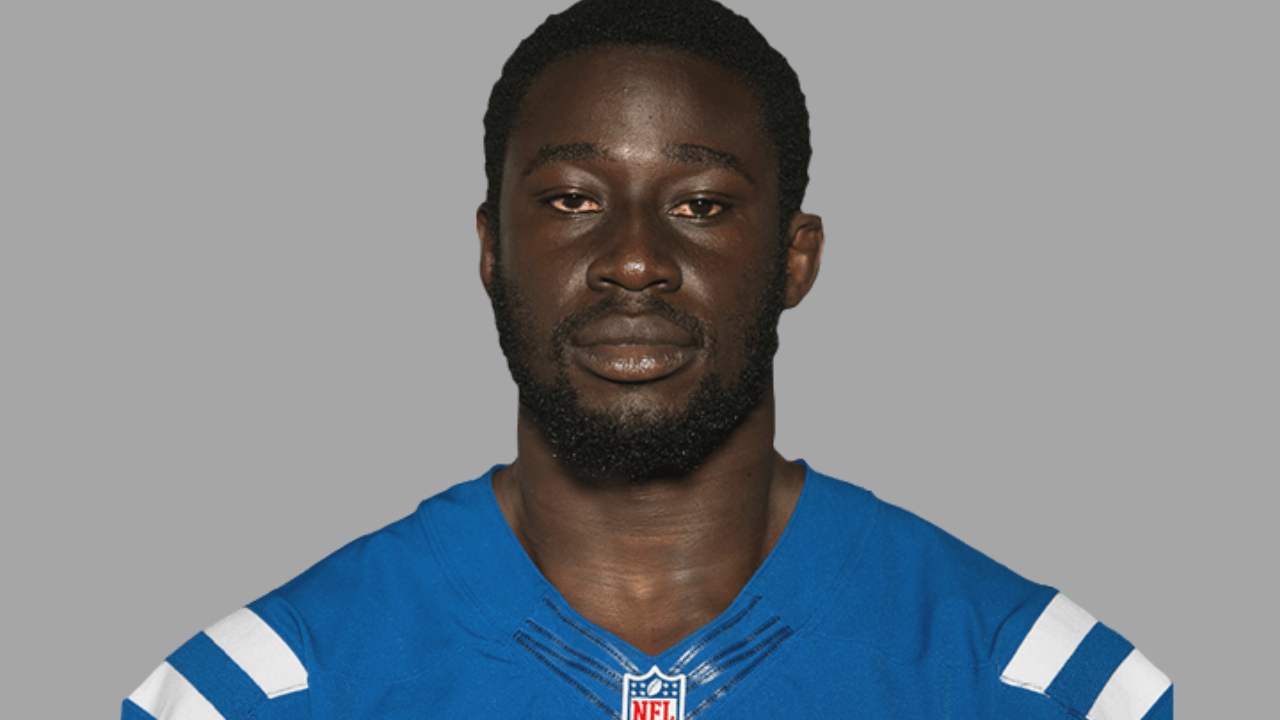
Daniel Adongo has been deported and has become the latest high profile immigration story to cross into the sports world after federal authorities confirmed the former Indianapolis Colts linebacker was removed from the United States and returned to Kenya.
According to U.S. Immigration and Customs Enforcement, Adongo was removed on June 20, 2026, after the agency said he remained in the United States beyond the expiration of his visa in 2016. ICE said a Department of Justice immigration judge ordered his removal in March before the agency carried out that order three months later.
The situation is especially striking because of how unlikely his path to the NFL was in the first place. Adongo came to the United States in 2013 after building a professional rugby career outside the country and had never previously lived in America. He had never played American football before attempting the transition from rugby to outside linebacker. His eventual signing made him the first Kenyan to play in the NFL.
His NFL run was brief. Adongo appeared in five career games with Indianapolis. The team waived him on December 17, 2015. By the following year, ICE said his immigration status had become an issue because his visa expired and he remained in the country.
The legal history behind the Daniel Adongo deportation requires some important distinction between arrests, allegations, and convictions. ICE said Adongo had been arrested multiple times by Indiana authorities in cases involving allegations of felony intimidation, battery, and disorderly conduct. Those listed charges did not result in convictions. His sole confirmed conviction was a 2020 misdemeanor criminal mischief with damage case. ICE said he received a sentence of 364 days, while NBC reported that court records showed his final jail order, after credit for time served, was six months in county jail.
ICE Chicago Assistant Field Office Director Douglas Thompson delivered a blunt assessment of the removal.
“This dangerous individual was clearly a threat to the community, which is now safer since he’s been removed,” Thompson said. “Those who violate immigration law are held equally accountable, including former professional athletes.”
The deportation also puts attention on the Laken Riley Act. ICE said Adongo was held under the federal law before his removal. The law became Public Law 119 1 on January 29, 2025. Its detention provisions cover certain noncitizens who meet specified immigration criteria and who have been arrested for, charged with, convicted of, or admitted conduct involving listed offenses including burglary, theft, larceny, shoplifting, assault of a law enforcement officer, or crimes resulting in death or serious bodily injury. That distinction matters because the statute does not require a conviction in every covered situation before mandatory detention can apply.
There is another layer to Adongo’s story that should not be reduced to his arrest record. Court records showed judges had found Adongo incompetent to stand trial at different points. One of his attorneys and others had raised the possibility that injuries from his rugby and football careers could have contributed to a traumatic brain injury. That possible connection has been raised by people around Adongo, but available reports do not establish it as a confirmed medical explanation for his later behavior.
This is not the first time a recognizable name has gone from American celebrity culture into the immigration system. One of hip-hop’s most notable examples is Shyne. The former Bad Boy rapper returned to Belize on October 28, 2009, after leaving an immigration detention facility in New York. Shyne entered immigration custody after completing more than eight years in prison and was awaiting a decision on whether he could remain in the United States. He was ultimately deported to the country where he was born.
Reality television has produced another well-known immigration case. Joe Giudice of “The Real Housewives of New Jersey” was ordered removed to Italy following his federal prison sentence. His path out of the country differed from Adongo’s because Giudice asked to leave ICE custody and wait in Italy while continuing to challenge his removal. A federal court lifted a stay in October 2019 after Giudice requested permission to relocate to Italy during his appeal.
Not every celebrity ICE case ends in removal. 21 Savage was detained by ICE in 2019 over an expired visa but was never deported. His immigration proceedings were eventually terminated after he became a lawful permanent resident, allowing the Atlanta rapper to travel internationally again. That difference is important when comparing famous immigration cases because detention, a removal order, and an executed deportation are not the same outcome.
For Adongo, however, the removal has already happened. The same athlete whose leap from international rugby to the NFL once made sports history has now returned to Kenya after a decade in which his football career ended, his immigration status expired, and legal troubles accumulated.
