

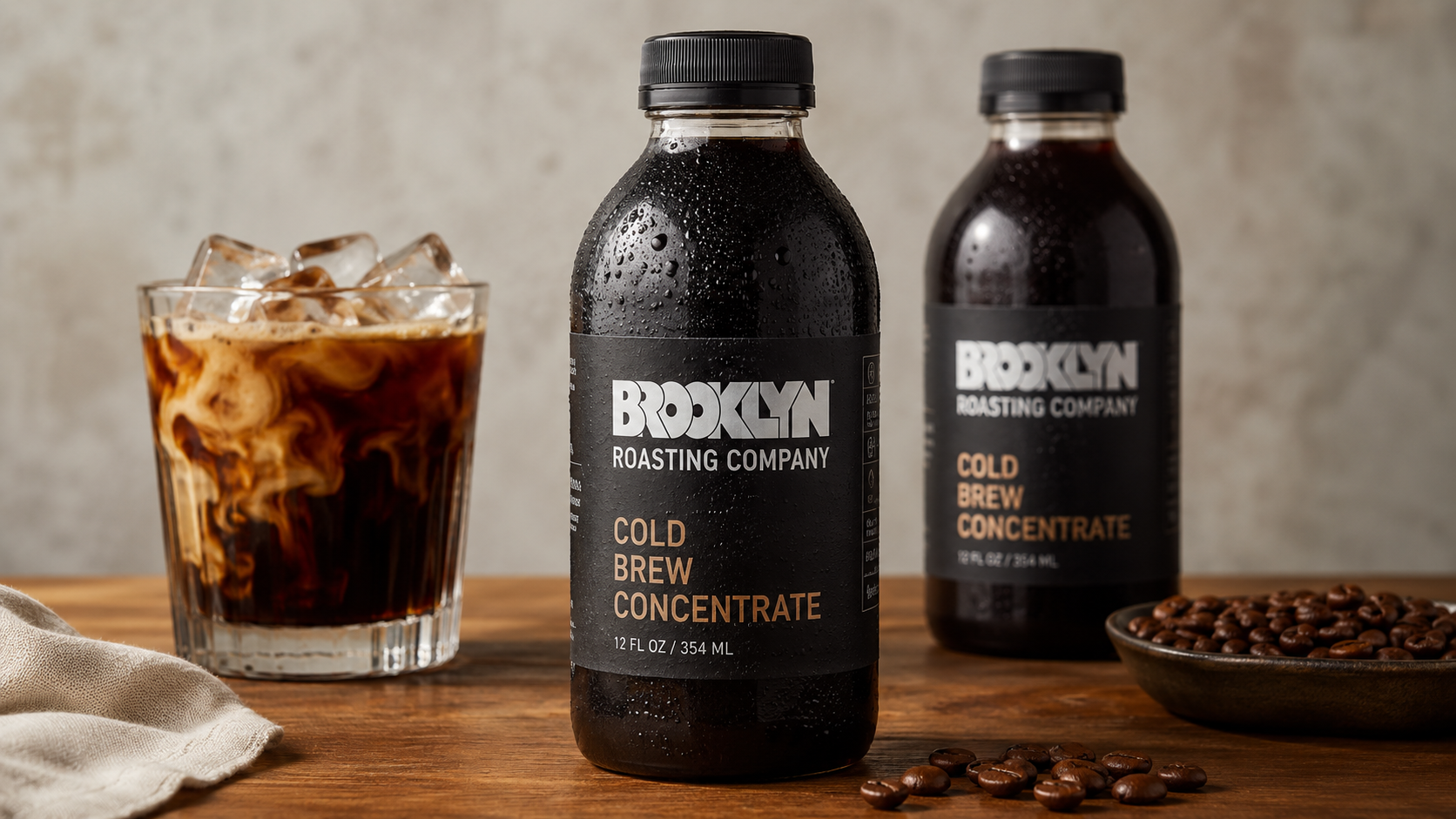
The cold brew recall hitting Brooklyn Roasting Company is not just about losing your morning caffeine fix. More than 3,000 gallons of its Pasteurized Cold Brew Concentrate were recalled after federal authorities warned that improper ambient storage could allow a toxin linked to botulism to form. Botulism can attack the nervous system, causing muscle weakness, paralysis, difficulty breathing, and, in severe cases, death. The warning is especially unsettling because coffee is now joining eggs, lettuce, cheese, and other everyday foods caught in a growing string of recalls across America.
According to the FDA Enforcement Report, Brooklyn Roasting Works LLC recalled its Pasteurized Cold Brew Concentrate packaged in 2.5-gallon bag-in-box containers. The affected product was distributed in New York and New Jersey between April 1 and June 20, 2026. The recall record identifies best-by codes ranging from 063026 through 093026 and lists the federal recall event under ID 99355.
According to the Centers for Disease Control and Prevention, botulism is a rare but serious illness caused by a toxin that attacks the body’s nerves. The CDC says the illness can cause difficulty breathing, muscle paralysis, and death, and explains that bacteria capable of producing botulinum toxin can do so under certain conditions involving factors such as low oxygen, temperature, water, and acidity. The agency considers every form of botulism a medical emergency.
The CDC clinical overview says symptoms associated with botulism can include muscle weakness, blurry vision, trouble swallowing, slurred speech, and respiratory distress. Foodborne cases can also involve nausea, vomiting, abdominal pain, and diarrhea. According to CDC guidance, anyone experiencing symptoms consistent with botulism should seek medical attention immediately rather than waiting for laboratory confirmation before getting evaluated.
The FDA classified the action as a Class II recall. According to the agency’s official recall definitions, a Class II recall applies when exposure to a product may cause temporary or medically reversible health consequences or when the probability of serious adverse health consequences is considered remote. Class I recalls represent the category where there is a reasonable probability of serious health consequences or death.
Brooklyn Roasting Company’s recall involved concentrate sold in New York and New Jersey. Thankfully, no illnesses had been registered in connection with the affected product. Consumers should still take the recall seriously because the absence of reported illnesses does not remove the potential risk.
What makes this situation especially notable is the company it is keeping on America’s food safety radar. Just days earlier, the FDA announced an investigation into a multistate Salmonella outbreak linked in part to recalled shell eggs from Midwest Poultry Services. As of July 24, the agency reported 98 illnesses across 17 states, including 26 hospitalizations and no deaths.
Lettuce has also landed on the recall list. Taylor Fresh Foods voluntarily removed iceberg lettuce sourced from central Mexico from the U.S. market in July because of possible Cyclospora contamination. The federal announcement identified the product category simply as iceberg lettuce, making the warning another example of a basic grocery and restaurant ingredient becoming part of a food safety action.
Even grab-and-go breakfast has been affected. Fresh & Ready Foods recalled limited quantities of Sprig & Sprout and Fresh and Ready Spicy Breakfast Burritos in July because sausage was mistakenly included in products labeled vegetarian, creating an undeclared soy allergen risk. The agency said the products had been distributed through grab-and-go markets and vending machines across eight states, and no illnesses or allergic reactions had been reported at the time of the announcement.
Other recent recalls show that the reasons vary widely. Fayus Inc. expanded a recall of Ola Ola Pounded Yam in July because milk in the form of sodium caseinate was not declared on the label. In June, the FDA posted an expanded recall involving multiple Clover Hill Dairy cheeses because of possible Listeria monocytogenes contamination.
Those cases make the cold brew recall part of a broader run of food safety actions involving common products, but the recalls should not all be treated as evidence of the same problem. FDA notices show that recalls can stem from suspected bacterial or parasitic contamination, undeclared allergens, refrigeration concerns, manufacturing problems, and other issues. The FDA also explains that recalls are frequently initiated voluntarily by companies, while the agency evaluates hazards and assigns classifications that communicate the relative level of risk.
While food recalls have become an increasingly familiar headline, the products involved this summer show why consumers still have to look beyond the word “recall” itself. Coffee, eggs, lettuce, burritos, and cheese have all recently appeared in federal notices, but the hazards, affected products, geographic reach, and level of risk differ from case to case.
In Brooklyn Roasting Company’s situation, the issue is specific: a pasteurized cold brew concentrate was recalled because ambient storage could create conditions for botulinum toxin formation, turning one of summer’s most routine caffeine fixes into the latest product Americans are being told to double-check.
