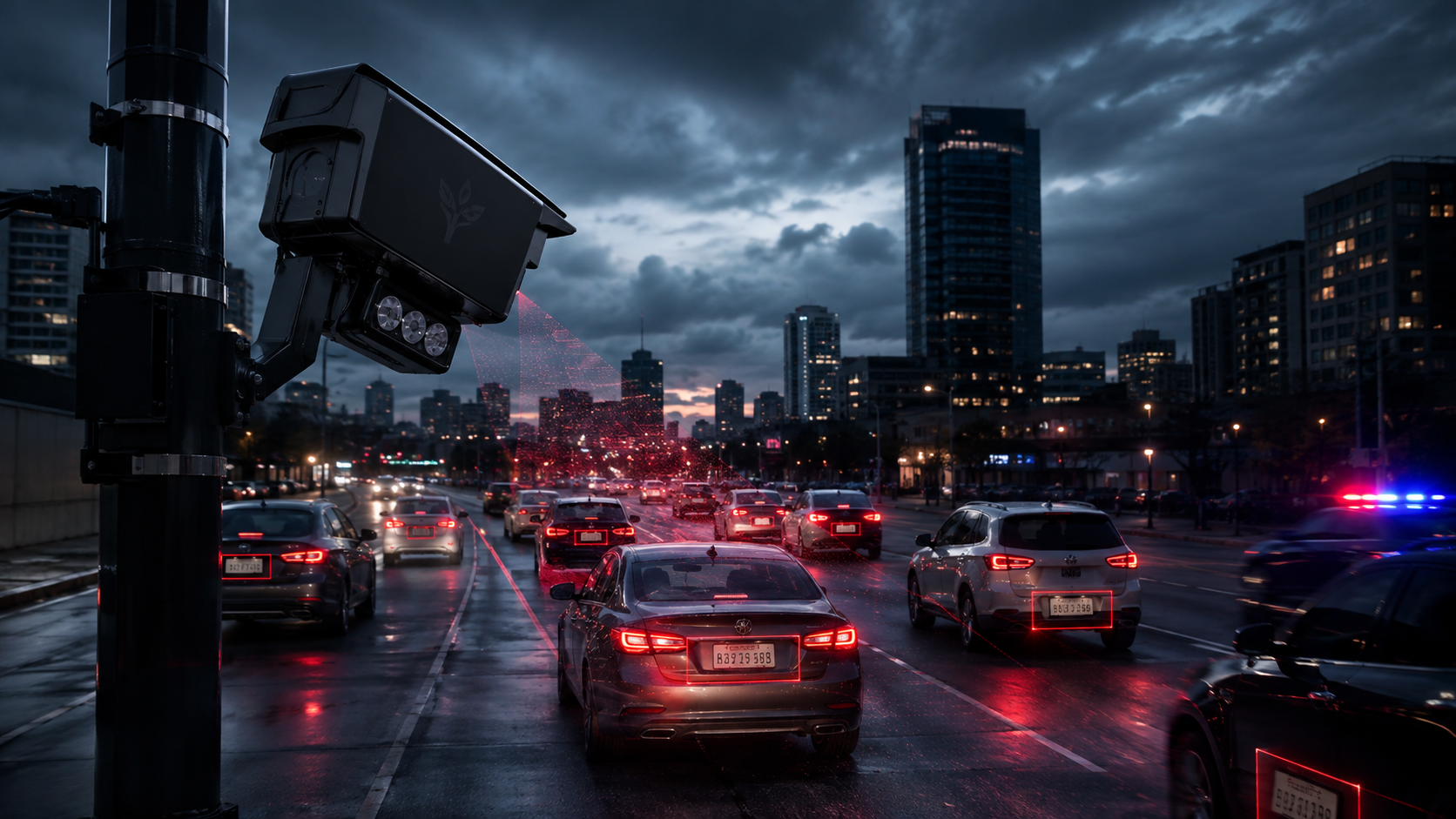
Drivers worried about where their cars have been tracked by flock cameras now have a new way to see whether someone searched their license plate inside Flock Safety’s sprawling database. The website HaveIBeenFlocked.com lets users enter a license plate number and check public records showing searches conducted through Flock Safety systems. According to Have I Been Flocked, its records come from audit logs obtained through public records requests and government transparency portals. The site makes clear that its database is incomplete and is not a live record of where a vehicle has traveled.
That distinction matters. A result on the site means a Flock user searched for a particular plate. It does not necessarily mean the vehicle owner was investigated, stopped, accused of a crime, or even searched by a police officer. Have I Been Flocked also says its results do not indicate whether or when a driver’s vehicle passed one of the company’s cameras.
Still, the website is arriving at a moment when Flock cameras are facing intense scrutiny over how much information can be collected about ordinary drivers who are not suspected of wrongdoing.
According to Flock Safety’s license plate reader policy, its systems can collect a license plate image, vehicle image, plate number and state, vehicle characteristics, the date and time, and the camera location. Flock says searches are logged for auditing, and customers decide how their data is shared with other customers. The company also says its license plate readers do not collect facial recognition or driver information.
Those safeguards have not ended the public debate. Opponents have used terms such as “big brother” and “mass surveillance” to describe automated license plate reader networks because these cameras can create records of vehicle locations on a large scale. The American Civil Liberties Union says Flock operates more than 120,000 automatic license plate readers nationwide and argues that the size of the network creates serious civil liberties concerns around location tracking and data sharing.
One major concern is what vehicle location records can reveal when collected over time. The Electronic Frontier Foundation has warned that license plate data can potentially expose patterns involving where someone lives, works, worships, receives medical care, or spends time. EFF also argues that police access to large license plate databases can allow vehicle tracking across different jurisdictions, sometimes without a warrant or suspicion of wrongdoing.
Concerns are not only theoretical. According to the Associated Press, Illinois officials investigated the sharing of automatic license plate reader data after a Texas sheriff’s office sought information connected to a woman who had a self-administered abortion. Illinois law restricts the use of license plate data for certain abortion- and immigration related investigations. The incident became part of a larger debate over how information gathered in one state can potentially be accessed for investigations originating somewhere else.
The controversy has pushed Flock Safety to change some of its practices. The Associated Press reported in August 2026 that the company announced plans to shorten its standard data retention period from 30 days to seven days, require case codes for law enforcement searches, and require agencies to use auditing tools designed to identify unusual activity. More than 50 jurisdictions had already ended relationships with Flock as the backlash grew, according to AP.
The ACLU welcomed the shorter retention period as a potentially positive move but argued that the changes do not resolve its central concern: police agencies can still have significant control over searches without independent judicial authorization. That has fueled calls from privacy advocates for warrants, stronger local laws, tighter limits on sharing, and more public involvement before communities install Flock cameras.
Have I Been Flocked is essentially turning one of Flock’s own accountability mechanisms, its search audit records, into something members of the public can examine. The website says, “Few governments provide easy access to these logs, and the records we obtain are often redacted.” It also warns that records may appear months or even years after a search occurred.
For drivers, that means a search result should be treated as a starting point rather than proof of misconduct. But as communities continue debating Flock cameras, police access, immigration enforcement, reproductive privacy, data retention, and government oversight, the ability to see that a plate was searched gives residents something they have often lacked in the surveillance debate: a closer look at how the technology is actually being used.