

A Florida Highway Patrol trooper is accused of turning some of law enforcement’s most sensitive databases into a personal information pipeline, sending driver data and Flock camera intelligence to people through texts and Snapchat. According to CBS12’s review of an FDLE investigative affidavit, 41-year-old Trooper Alain Fernandez allegedly disclosed confidential criminal justice information at least 22 times between 2022 and 2025.
Investigators said Fernandez accessed restricted systems including FCIC, NCIC and Florida’s DAVID driver database for reasons unrelated to legitimate police work. The affidavit alleges some information was pulled for personal purposes, parody, or disparaging comments. Fernandez was trained and certified to access the systems, investigators said, and was aware of restrictions governing their use. Former Indian River County deputy Michael Dilks told CBS12, “When you log in to that computer at the beginning of your shift, you’re adhering to a policy that says you’re not going to use it for anything.”
The investigation traces back to the September 2025 arrest of Nathan Novotny in Attalla, Alabama, on suspicion of impersonating an officer. Investigators said Novotny’s vehicle contained police style equipment, including lights, sirens, radios, and radar. A search of his phone allegedly uncovered conversations in which Fernandez provided confidential information. In one exchange, investigators said Fernandez searched an Alabama driver’s license through NCIC and sent Novotny an image of the results roughly one minute later.
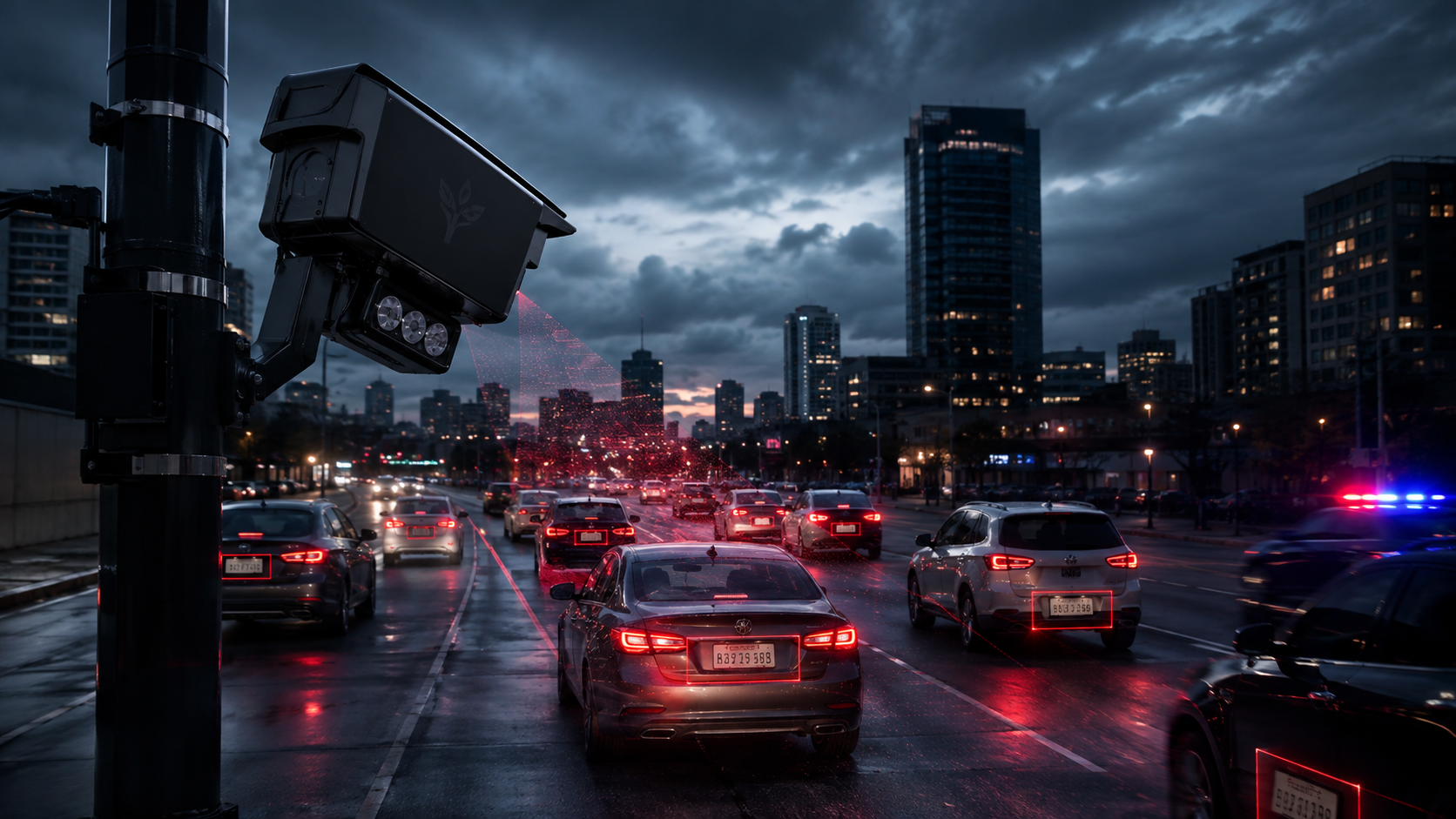
The affidavit also describes messages involving Flock Safety, whose automated license plate readers allow authorized users to search vehicle sightings by location and time. Investigators said Fernandez sent Khaled Turkustani screenshots involving a white Tesla and warned him that warrants had been filed. Fernandez allegedly said vehicles tied to an address had been “hot listed” in Flock and other camera systems. In another 2025 exchange involving confidential information, investigators said Fernandez warned someone, “you didn’t get that pic from me.”
Dilks questioned whether enough oversight existed to catch improper searches before information left police systems. “In this case, when you start talking about multiple people, multiple databases, that would lend me to think, is there some type of criminal enterprise that he might be tipping off, or is there some type of other ulterior motive?” he said. Dilks added, “Flock gets rolling out, which is probably the most useful tool for good things, but it’s also very useful for bad things. And they just rolled it out without any oversight.”
Those concerns extend far beyond one trooper. An August investigation by The Washington Post found at least 69 police officials had been accused, charged, or convicted of improperly using Flock or other license plate reader systems. The Post found at least 15 cases in which potential misuse was first identified by people outside the officer’s department, including victims, activists and journalists. Its reporting also found departments that did not routinely audit search histories despite having access to audit tools.
Florida has produced several recent examples. WESH reported Haines City officer Christopher Goodson was arrested after investigators alleged he searched his estranged wife’s vehicle 717 times through Flock between September 2024 and June 2026. WPTV reported former Fort Pierce officer Josepher Crutchfield was charged with four felony counts after investigators said he searched an ex-girlfriend’s plate 382 times. In Sumter County, WFTV reported Detective Brandy Almany was fired and arrested after an internal audit allegedly found she used Flock and other restricted databases to obtain information about her husband’s ex-wife.
Flock has responded to the growing scrutiny with additional safeguards. In an August announcement, Flock Safety said it would require its Audit Assistance misuse detection feature for law enforcement customers by the end of 2026, introduce automatic lockouts when activity appears abnormal, and require case codes for police searches. The company also moved its recommended default retention period from 30 days to seven days, while saying existing agencies can retain their locally approved settings.
The controversy has already changed Florida’s approach to the technology. According to ABC News, the Florida Department of Transportation revoked permits for license plate readers installed within state highway rights-of-way on August 31, citing the rapid growth of the technology along with reports of misuse, privacy concerns, and surveillance issues. Local agencies were given until September 30 to remove affected equipment.
In Fernandez’s case, investigators said some DAVID searches were entered under reasons including “Traffic Related Injury” and “Court Purposes,” even though FDLE concluded he knowingly used restricted systems outside his authorization. Fernandez was arrested September 9 and was later released on bond, according to WPBF. The allegations remain pending, but the case adds another Florida example to a national debate that is increasingly focused not simply on what Flock cameras can see, but on who can search that information and what happens when the people trusted with access use it for something else.
