

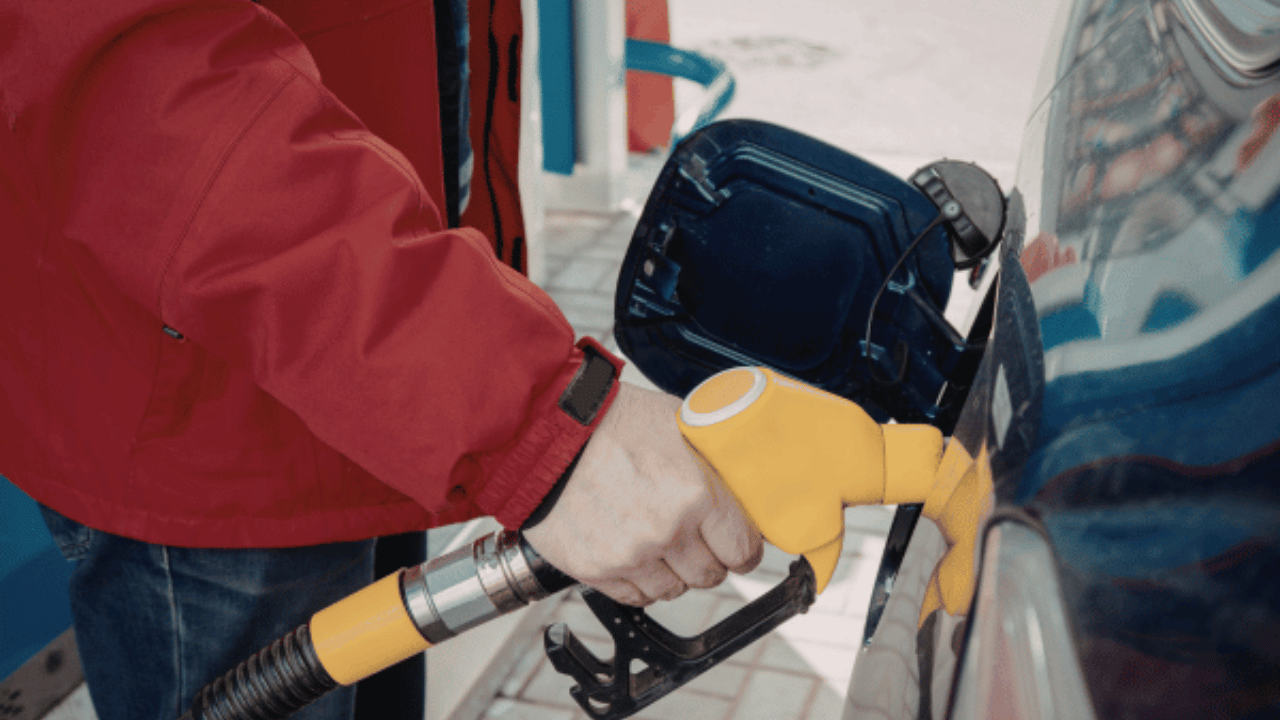
The number staring back from gas station signs has entered uncomfortable territory once again. On July 20, AAA placed the national average for regular gasoline at $4.003 per gallon, bringing four dollar gas back into the center of America’s affordability conversation. For a driver filling a 15-gallon tank, that works out to roughly $60. Compared with the $3.14 average reported one year earlier, the same fill-up now costs almost $13 more. One trip to the station may not wreck a budget, but repeated trips can turn that increase into a monthly bill families cannot ignore.
That is why $4 carries more weight than an ordinary price fluctuation. It functions as a psychological warning line, particularly for workers who cannot shorten their commute, work remotely or replace their vehicle. Gas becomes one more nonnegotiable expense competing with rent, food, utilities, insurance and debt payments. The Federal Reserve has warned that when energy costs jump, lower-income households face especially difficult tradeoffs because essentials already consume a larger portion of their money.
Still, the price on the sign does not come from one company, one politician or one global event. According to the U.S. Energy Information Administration, a gallon of gasoline combines four major costs: crude oil, refining, taxes, and distribution and marketing. Crude oil typically represents the largest share. In 2025, it accounted for just over half of the average retail price. Refining and distribution added another major portion, while federal, state and local taxes filled out the rest.
That breakdown helps explain why prices can rise quickly when oil markets become nervous. The Associated Press reported that Brent crude traded near $86 per barrel Monday, far above the roughly $70 level seen before the latest escalation involving the United States and Iran. Traders do not wait for a neighborhood station to run out of fuel before reacting. They price in the possibility of future shortages, shipping delays and disrupted production, which can push oil and wholesale gasoline higher before drivers see any physical supply problem.
Meanwhile, the Strait of Hormuz remains a major pressure point because an enormous volume of global energy moves through the narrow waterway. EIA estimates show that more than 20 million barrels of oil and petroleum liquids passed through the strait each day during several quarters of 2025. First-quarter 2026 flows dropped sharply as regional disruptions intensified. When a route that important becomes unreliable, the market starts charging for risk.
America’s record oil production does not fully shield drivers from that global pressure. Oil moves through an international market, and U.S. producers can sell into markets where demand and prices run higher. Refineries also need the right types of crude, sufficient capacity and reliable transportation. As a result, “America produces oil” and “American gas should stay cheap” do not automatically connect as neatly as political slogans suggest.
Location also changes the calculation. On July 20, AAA listed California’s regular gasoline average near $5.50, while drivers in several Southern and Midwestern states paid well below the national figure. Taxes play a role, but they are not the whole explanation. Distance from refineries, local fuel requirements, pipeline access, supply interruptions, operating costs and competition between stations can all create major differences from one state to another.
However, the biggest story is not limited to what drivers pay directly. Fuel sits inside the cost of nearly everything that moves. Farms use energy. Delivery vans burn fuel. Contractors travel between jobs. Airlines, trucking companies and ride-share drivers all watch petroleum costs. Businesses may absorb those increases temporarily, but many eventually raise fees, adjust delivery minimums or pass part of the expense to customers.
The Federal Reserve has noted that energy costs can spread through transportation, manufacturing and food production. Therefore, a sustained increase can pressure restaurant bills, grocery prices and retail costs even for people who rarely drive. Gasoline itself represents only one part of household inflation, but its visibility makes it especially powerful. Consumers watch the total climb in real time while standing beside the pump.
Small businesses face an even tighter squeeze. A large corporation may negotiate transportation contracts, hedge fuel costs or spread an increase across thousands of orders. A local caterer, landscaper, mobile stylist or independent delivery operator may have fewer options. Raising prices risks losing customers. Refusing to raise them cuts profit. Either way, the business owner pays.
Naturally, gas prices also become political ammunition because every administration gets blamed when signs rise and celebrates when they fall. Yet presidents do not personally set retail prices. Federal policy can influence production, reserves, regulations, taxes and market expectations, but global oil prices, refinery conditions, seasonal demand and regional supply still carry enormous weight. The tension is simple: voters want immediate relief from a system that often moves faster than any government response.
Relief can also arrive unevenly. Crude prices may fall before station prices follow because retailers must work through fuel purchased at earlier wholesale costs. At the same time, a new disruption can reverse a decline before consumers receive the full benefit. That lag often creates anger, especially when drivers watch oil fall on television but see little change on the corner sign.
For now, consumers have limited control over the larger market, but they can reduce how much fuel disappears from the tank. The Department of Energy says aggressive acceleration, hard braking and speeding can significantly reduce fuel economy. Proper tire pressure, less idling, regular maintenance and removing unnecessary cargo can also help. None of those steps erase a global oil shock, but together they can soften the hit.
Ultimately, four-dollar gas matters because most people do not buy fuel for fun. They buy it to reach work, school, medical appointments and family responsibilities. The pump becomes a collection point for decisions made across oil fields, shipping lanes, refineries, governments and financial markets. Then the receipt lands in one driver’s hand.
The price may move below $4 again. It may climb higher first. Either way, the larger lesson remains: expensive gas never stays at the gas station. It follows consumers home, enters the grocery cart and quietly starts negotiating the rest of the household budget.
