

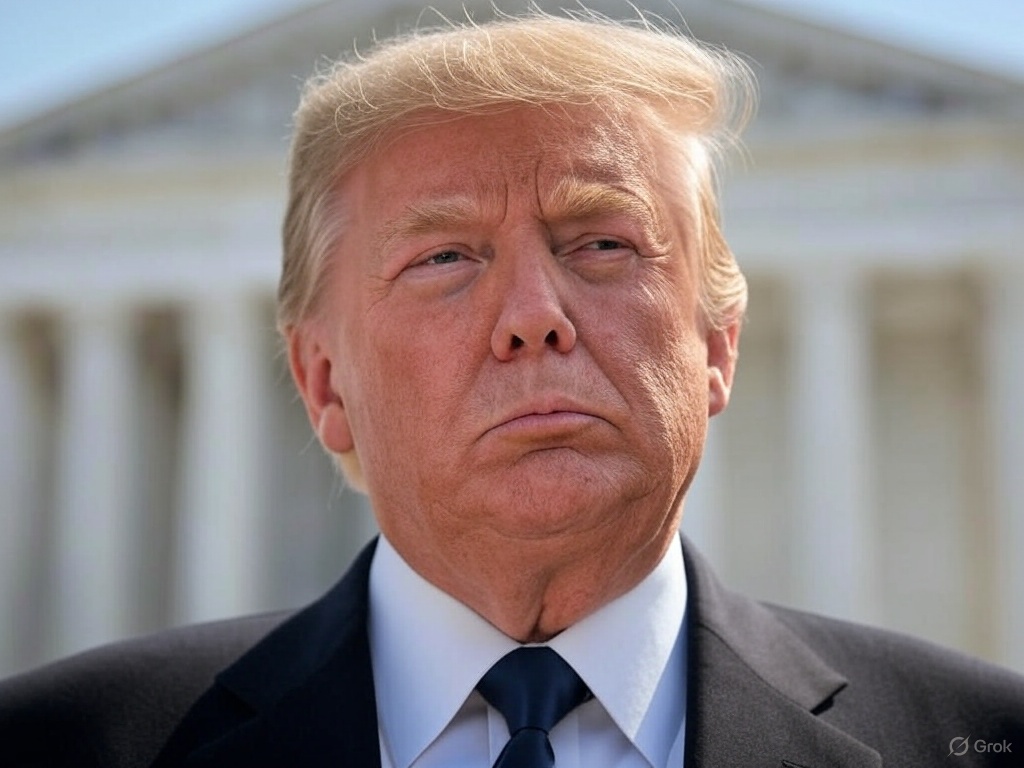
The Trump vaccine plan now recognizes routine childhood immunization against just 11 diseases for all children, marking a major change in how the federal government categorizes vaccines that families have encountered for years. Trump vaccine to the White House executive order, those 11 are measles, mumps, rubella, diphtheria, tetanus, pertussis, polio, Haemophilus influenzae type B, pneumococcal disease, human papillomavirus and varicella.
Video
That does not mean children will receive only 11 shots, and it does not mean the previous federal schedule contained 72 separate vaccines. The number 72 came directly from Trump while promoting the change Monday. According to CBS News, Trump said, “In many cases, we were requiring 72 jabs for our beautiful, healthy, lovely, delicate little children.” The figure refers to his characterization of the number of doses children could receive under previous recommendations, not 72 different vaccine products.Under the Trump vaccine plan, several immunizations that are not included in the 11 disease universal category remain part of federal guidance but are placed into different groups. The White House order places hepatitis A, hepatitis B, meningococcal vaccines, dengue protection and RSV monoclonal antibodies in a category for certain higher risk populations. Hepatitis A, hepatitis B, rotavirus, meningococcal disease, influenza and COVID 19 are also listed under shared clinical decision making.
The framework builds on a federal shift that started earlier this year. According to the CDC, officials announced in January that the routine category would cover 11 diseases after HHS reviewed childhood vaccine schedules in 20 other developed nations. The agency said the United States previously recommended protection against 18 diseases and more total childhood doses than some of the countries reviewed.
Trump is now using an executive order to push that approach further. The Trump vaccine plan tells federal departments and agencies to review the new recommendations and take appropriate steps to advance them where permitted by law. The order also advises states and territories to consider whether their own vaccination rules, including requirements connected to school attendance, should be updated. States still maintain authority over their school immunization policies.
Another major change involves how vaccines could be administered. The order says the combined measles, mumps and rubella vaccine should eventually be offered as three separate single disease shots once those products become available domestically. It also calls for childhood immunizations to be administered during separate medical visits whenever feasible. According to CBS News medical correspondent Dr. Céline Gounder, that MMR option currently does not exist in the United States. Merck stopped making the standalone measles, mumps and rubella vaccines in 2009,” Gounder said. “There’s no licensed version in this country. No company has said it’s building one, and the order only takes effect once those products exist.”
The Trump vaccine plan also orders HHS to examine the timing and sequencing of childhood vaccines and present plans within 90 days. According to the executive order, the HHS Task Force on Safer Childhood Vaccines must also consider alternatives to aluminum adjuvants, continue evaluating vaccine safety and effectiveness data and strengthen vaccine safety monitoring and research.
Trump repeatedly brought autism into his remarks even though autism does not appear as the stated basis for the vaccine categories in the executive order. Trump said, “Today, we’re proud to officially announce the United States of America’s Gold Standard Childhood Vaccination Recommendations and that has to do with many subjects, but including autism in particular.” He later said, “Decades ago, children received only a small fraction of the vaccines required today. In those times, people were much healthier and of course, the high rates of autism now observed did not exist. So, there’s a reason for such epidemic rates of autism. And we’re going to bring it back to much closer to where it was.”
Existing research does not support a causal link between MMR vaccination and autism. A 2015 study indexed by the National Library of Medicine examined more than 95,000 children and found no association between MMR vaccination and increased autism risk, including among children with an older sibling with autism. CBS News also cited a large 2019 Danish study involving more than 650,000 children that reached a similar conclusion.
Medical groups are also challenging the federal government’s narrower approach. The American Academy of Pediatrics continues to recommend routine vaccination against 18 diseases in its 2026 childhood immunization schedule, rather than limiting its universal recommendations to the 11 diseases included in the new federal framework. The organization has argued that vaccine schedules cannot be copied directly from other nations because countries face different disease risks, demographics, health care systems and vaccine availability.
Republican Sen. Bill Cassidy, who is also a physician, offered one of the strongest political rebukes of the Trump vaccine plan. According to CBS News, Cassidy said, “I’m a doctor. This executive order is wrong. The President does not have the expertise to make these changes. Vaccines are overwhelmingly safe. Vaccines are effective. Vaccines DO NOT cause autism. Breaking up vaccines will mean children have to get more shots to get the same protection, not fewer shots. It will increase hesitancy and make children less safe. Parents should listen to their child’s pediatrician about vaccines rather than listening to an inaccurate executive order. This is so wrong.”
For parents, the biggest takeaway is that the Trump vaccine plan does not erase every vaccine outside the 11 disease routine category. Instead, it changes the federal government’s position on which immunizations should be recommended universally, which should depend on elevated risk and which should be discussed individually between families and clinicians. That distinction matters, especially as the administration uses the much larger “72 jabs” figure to sell a policy change that is actually about how vaccines and vaccine preventable diseases are categorized across the federal childhood schedule.
