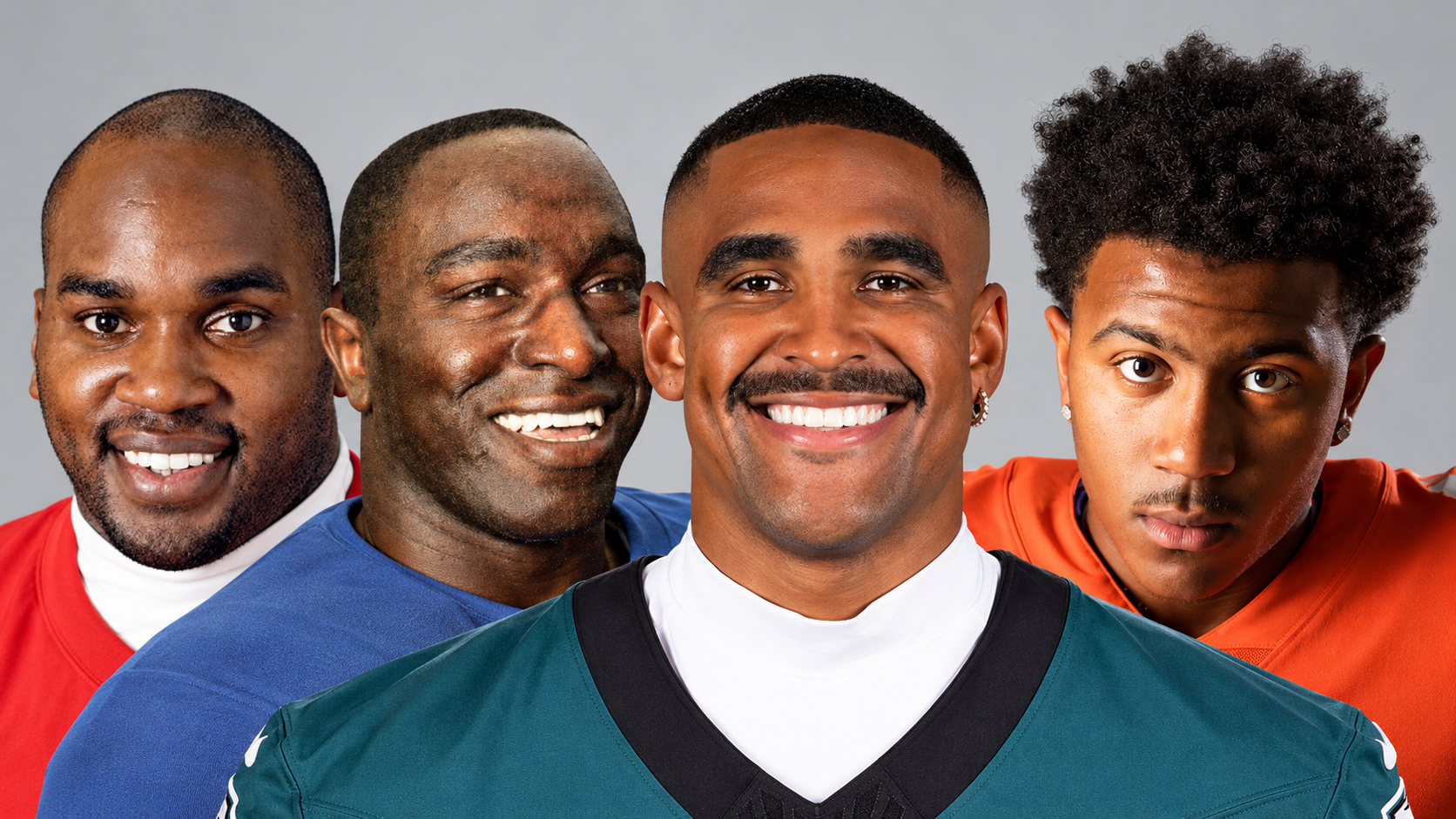
Philadelphia Eagles quarterback Jalen Hurts played an NFL game after doctors discovered a blood clot in his calf, only to learn days later that he had developed blood clots in both lungs. His diagnosis has renewed attention on a potentially deadly condition that has already claimed the lives of several football players.
According to the Philadelphia Eagles, Hurts was initially diagnosed with a superficial blood clot on October 10, 2026, but was medically cleared to play against Jacksonville the following day. Additional testing revealed deep vein thrombosis and bilateral pulmonary emboli.
Hurts is expected to miss the remainder of the season while receiving blood thinners. Although his doctors anticipate a full recovery, the NFL and NFL Players Association have launched a joint review of the medical decisions surrounding his case.
While Hurts is expected to recover, other football players have not been as fortunate.
Former Clemson running back C.J. Fuller died October 3, 2018, at just 22 years old after developing a blood clot that traveled to his lung.
According to Reuters, the Pickens County Coroner’s Office determined that Fuller died from pulmonary thromboembolism and deep vein thrombosis related to a football injury.
His official cause of death was listed as “Pulmonary thromboembolism and deep vein thrombosis.”
Fuller had undergone knee surgery in September 2018 and was participating in physical therapy when he experienced chest pain and later collapsed.
His aunt, Zola Fuller Beeks, described his final moments in an interview.
“He had been having some chest pains before that day, but they got worse fast,” she said. “He was conscious at one point, but when he got to the hospital, his speech was slurred. Before we knew it, he was gone.”
Fuller had been part of Clemson’s 2016 national championship team.
Another devastating case involved Kansas City Chiefs linebacker Derrick Thomas, who died February 8, 2000, at age 33.
According to CBS News, Thomas had been paralyzed following a serious automobile accident approximately two weeks earlier. While recovering at Jackson Memorial Hospital in Miami, he suffered cardiac arrest as medical personnel transferred him from his bed to a wheelchair.
An autopsy confirmed that a massive blood clot had obstructed his pulmonary artery. Doctors reported that Thomas had shown no visible signs of a clot before the medical emergency.
Thomas had been receiving blood thinners and other preventive care following his spinal injury, but those precautions could not prevent the fatal embolism.
The condition also claimed the life of Cincinnati Bengals linebacker Frank Buncom.
According to the Bengals’ official history, Buncom was found dead at the team’s hotel on September 15, 1969, the morning of Cincinnati’s season opener. He was 29 years old. His death was attributed to a blood clot that reached his lung.
The deaths of Fuller, Thomas, and Buncom involved different circumstances, but each resulted from a clot blocking blood flow to the lungs.
According to the Centers for Disease Control and Prevention, an estimated 60,000 to 100,000 Americans die each year from venous thromboembolism, which includes deep vein thrombosis and pulmonary embolism.
The agency also reports that sudden death is the first symptom in approximately 25% of people who experience a pulmonary embolism.
The condition develops when a blood clot, commonly originating in a deep vein of the leg, breaks loose and travels through the bloodstream into the lungs. A major blockage can prevent blood from receiving sufficient oxygen and place life-threatening strain on the heart.
Football players encounter several circumstances that can contribute to clot formation.
According to the National Blood Clot Alliance, physical trauma, surgery, immobilization, dehydration, and lengthy travel can increase clotting risks among athletes.
A player recovering from knee surgery, for example, may experience reduced mobility, slowing blood circulation. Serious injuries can also damage blood vessels and create conditions that encourage clot formation.
That does not mean football players necessarily have a higher overall rate of blood clots than the general population. However, certain injuries and recovery conditions can increase an individual’s risk.
Another concern is that warning signs can resemble routine sports injuries.
The National Blood Clot Alliance identifies unexplained leg swelling, pain, tenderness, and warmth as possible symptoms of deep vein thrombosis. Sudden shortness of breath, chest pain, rapid heartbeat, fainting, or coughing blood may indicate a pulmonary embolism and require emergency medical attention.
Blood thinners can help prevent clots from growing and reduce the likelihood of additional clots, but they also increase bleeding risks. That makes participation in contact sports dangerous during treatment.
For Fuller, Thomas, and Buncom, the condition proved fatal. Hurts’ diagnosis demonstrates why recognizing blood clot symptoms and receiving timely medical care can be critical, regardless of a player’s age, fitness, or professional success.