

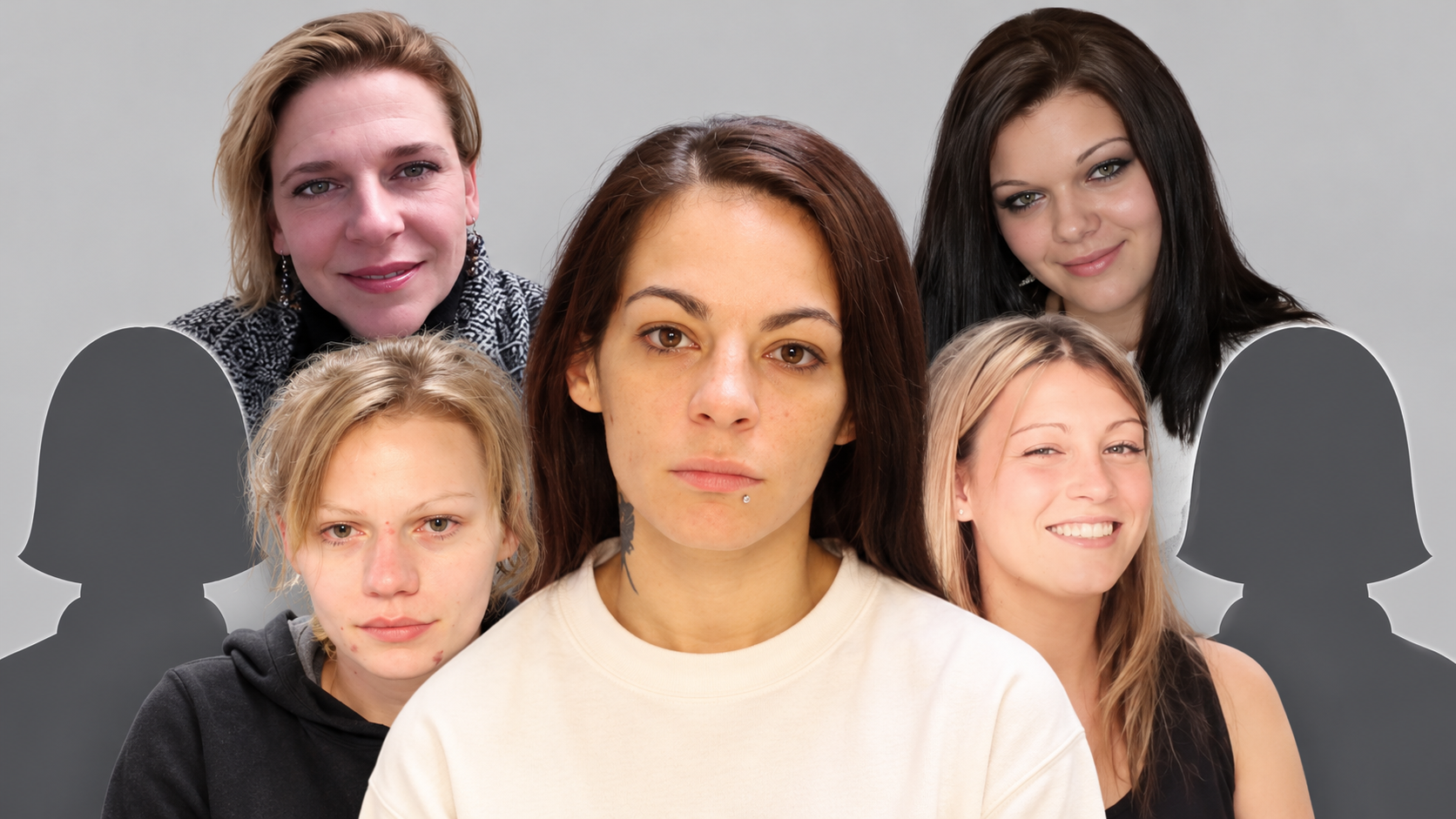
For more than a decade, women disappeared in Philadelphia while a man with a disturbing criminal history openly produced violent pornography, recruited vulnerable women, and operated out of a deteriorating neighborhood home. Yet it took a routine parking violation in June 2026 for authorities to uncover what could become one of the city’s most horrifying serial murder investigations.
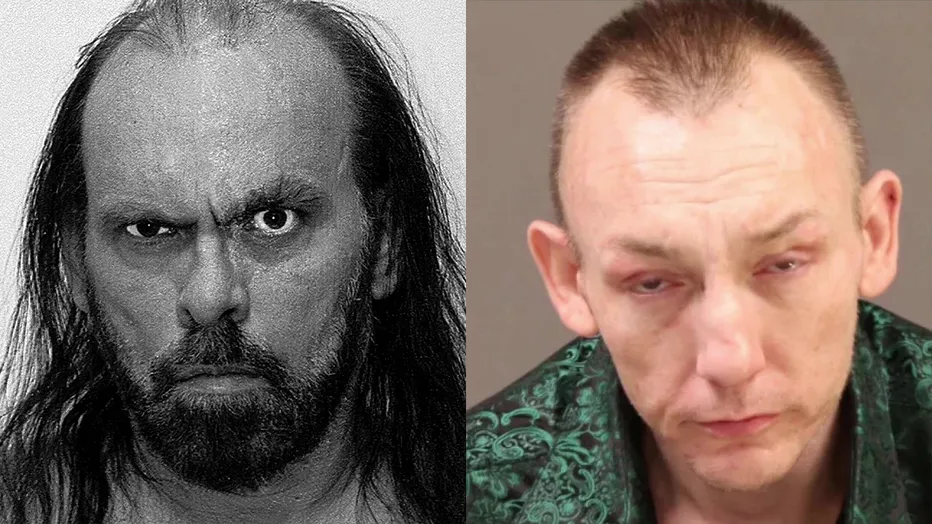
At the center is Raymond “R.C.” Horsch, a filmmaker and convicted drug offender who died in May 2025 at age 82. His former home at 417 West Chew Avenue in Philadelphia’s Olney neighborhood has since been connected to seven missing women, including five investigators fear are dead.
Police have recovered more than one million digital files, disturbing recordings, chemicals, cremated remains, and other potential evidence. Investigators have also identified dozens of people who appeared in Horsch’s productions.
Despite these revelations, Horsch was never charged with killing anyone, and investigators have not established that the missing women were murdered. The growing evidence, however, raises an uncomfortable question: How many opportunities existed to uncover what was happening before the investigation finally began?
The breakthrough came June 19, 2026, when a U.S. Park Police ranger noticed an illegally parked BMW near Philadelphia’s Independence Mall.
Inside were Horsch’s 44-year-old son, Eugene Horsch, and a woman who appeared distressed.
As the ranger approached, he reportedly heard the woman tell Eugene, “You’re going to hurt me.”
A search uncovered two loaded firearms, drugs, and fraudulent federal law enforcement credentials.
However, the most alarming discovery involved the woman’s identification.
She presented an ID bearing her photograph but the name Blair Tonzelli. The real Tonzelli had been reported missing in 2023 and was believed to have spent time at the Horsch residence.
Investigators soon connected Eugene to the Chew Avenue property, setting off a search that would expose an enormous collection of disturbing material.
Eugene was arrested on drug and weapons charges and remains in federal custody. He has not been charged in connection with the missing women.
When authorities searched the property on June 26, they discovered a collection of items that immediately raised concerns.
Investigators recovered firearms, ammunition, narcotics, zip ties, numerous chemical containers, and a 55-gallon drum connected to a network of pipes and hoses.
They also discovered hidden compartments, five urns containing cremated remains, and writings describing violence against women.
One handwritten note referenced notorious serial killer Ted Bundy and methods involving zip ties and a drum. The note was unsigned, and investigators have not established who wrote it.
Another major discovery was a digital archive containing hundreds of thousands of photographs, tens of thousands of videos, and thousands of pages of manuscripts and drawings.
Some recordings appeared to depict women being restrained, injured, or unconscious.
Investigators have identified 58 people appearing in the material, including women who were already listed as missing.
By September, police said they had identified five missing women in recordings that appeared to show them injured, lifeless, or possibly dead. A particularly disturbing video reportedly depicts Raymond Horsch strangling a woman with a zip tie.
The material presents an unusual investigative challenge because Horsch produced pornography that deliberately simulated violence and death.
Deputy Commissioner Frank Vanore acknowledged that uncertainty.
“Some of this is playacting and some of it, we believe, could be real. But we’re not there yet.”
Until investigators can authenticate the footage and establish what happened to the women, the recordings alone cannot resolve the suspected homicides.
The investigation has revealed disappearances stretching back to at least 2012.
Gabrielle Amarando, who was 22 when she disappeared in 2012, is among the earliest publicly identified missing women. Investigators later recovered disturbing images believed to depict her deceased.
Amy McHale, Horsch’s former wife, disappeared in June 2016 at age 44. She contacted her family from the Chew Avenue property shortly before vanishing. Her daughter, Amanda Stofer, said her mother left a voicemail confirming her whereabouts.
“She left me a voicemail, and she said she was at Ray’s, and that’s where Ray lives,” Stofer recalled. “Ray even spoke with me and my grandmother, and the detectives afterward, and gave the same story that she was there and that when he woke up in the morning, she wasn’t.”
Maribel Fresses disappeared in 2018. Investigators believe recovered images may show her deceased inside the home.
Nicole “Nikki” Fusaro vanished from Philadelphia in July 2018 at age 27. Her family has been working with detectives, and investigators are examining a recording they believe may depict Horsch strangling her.
Blair Tonzelli was last heard from in 2022 and reported missing in 2023. Her identification becoming part of Eugene’s June 2026 arrest helped trigger the investigation.
Two additional women were connected to the investigation through disturbing footage. One was reportedly 25, but authorities withheld her identity at her family’s request. The other had not been publicly identified.
As detailed in The Philadelphia Inquirer’s investigation timeline, authorities believe five women depicted in the recordings may be dead, while McHale and Tonzelli remain missing without confirmed evidence of their deaths.
Their families have spent years without answers about what happened.
Perhaps the most troubling aspect of the investigation is that Horsch was hardly unknown to law enforcement.
His criminal history stretched back decades and included counterfeiting, drug manufacturing, and identity fraud.
In 2009, authorities arrested him for attempting to lure a 9-year-old girl into his vehicle in Kensington.
He was initially convicted, but the conviction was later vacated after his request for a new trial. The child and her mother were afraid to testify again; prosecutors dropped the case, and the record was expunged in 2015.
A separate police investigation at his Bucks County residence uncovered a marijuana-growing operation containing hundreds of plants. Authorities reportedly also found firearms and disturbing pornographic material.
Horsch subsequently served federal prison time on drug and weapons offenses.
By 2014, he was exhibiting disturbing photographs and films publicly. One exhibition featured imagery involving a deceased woman and cremation.
According to The Philadelphia Inquirer’s extensive investigation into Horsch’s past, he regularly recruited women struggling with addiction, sometimes offering drugs, cash, or shelter in exchange for participating in his productions.
Some women lived at his properties for extended periods, while others reportedly described disturbing experiences.
Investigators are also examining his former access to a Kensington crematorium associated with a funeral home implicated in illegal body-parts sales. No evidence has established that the missing women were taken there.
These developments demonstrate how openly Horsch operated, although his criminal history and artistic material do not independently establish that he committed murder.
One particularly troubling missed opportunity centers on McHale.
When she vanished in 2016, investigators questioned Raymond Horsch because she had last been seen at his residence.
He reportedly claimed she was there when he went to sleep but had disappeared by morning.
Deputy Commissioner Vanore later acknowledged the investigation.
“There was some very extensive investigation that R.C. Horsch was interviewed,” he said.
However, authorities said they lacked sufficient evidence to establish that a crime had occurred or justify further searches.
Eugene was incarcerated when McHale disappeared, an important distinction as investigators examine the actions of both men.
The Chew Avenue property attracted police attention again following a fire in May 2025. Authorities discovered weapons and a marijuana-growing operation, resulting in another arrest involving Eugene.
Yet the broader investigation into missing women did not begin until the following year.
The unanswered question is whether those earlier encounters could have prompted greater scrutiny of the property’s occupants and the vulnerable women associated with them.
Horsch’s history of recruiting women struggling with addiction has intensified concerns that their circumstances made them easier to exploit and their disappearances harder to investigate.
His provocative films also complicated the distinction between staged abuse and actual violence.
The investigation raises broader concerns about how missing-person cases involving women experiencing addiction, homelessness, and sexual exploitation are prioritized.
Those circumstances should never make someone’s disappearance less urgent.
But whether investigative mistakes, insufficient evidence, or failures to connect separate missing-person reports allowed potential crimes to continue remains unresolved.
The search intensified throughout September and October 2026 as Philadelphia police and FBI personnel dismantled portions of the property.
Investigators examined walls, flooring, basement equipment, underground pipes, and the backyard.
In October, forensic teams used luminol to locate possible traces of blood. Police sources subsequently reported recovering human DNA from multiple locations, although its significance remains under examination.
On October 15, investigators recovered bones from the backyard and called in the medical examiner, according to CBS Philadelphia’s latest reporting.
Authorities have not established that the recovered bones belong to any of the missing women. Investigators also reportedly discovered a safe concealed behind a wall.
The findings have renewed questions about what might still be hidden inside the home.
Police have yet to identify remains belonging to any of the missing women or announce homicide charges.
Raymond Horsch’s death means he cannot be prosecuted, even if investigators ultimately establish that he was responsible.
What remains is a search for evidence capable of proving what occurred, identifying any victims, and determining whether others participated.
The seven missing women’s cases deserve more than speculation about a suspected serial killer. Their families deserve answers about why they disappeared, what happened inside the Chew Avenue home, and whether earlier intervention could have changed the outcome.
The biggest question is no longer simply what investigators will find inside that house. It is why a random parking violation uncovered connections that years of missing-person investigations had failed to establish.
