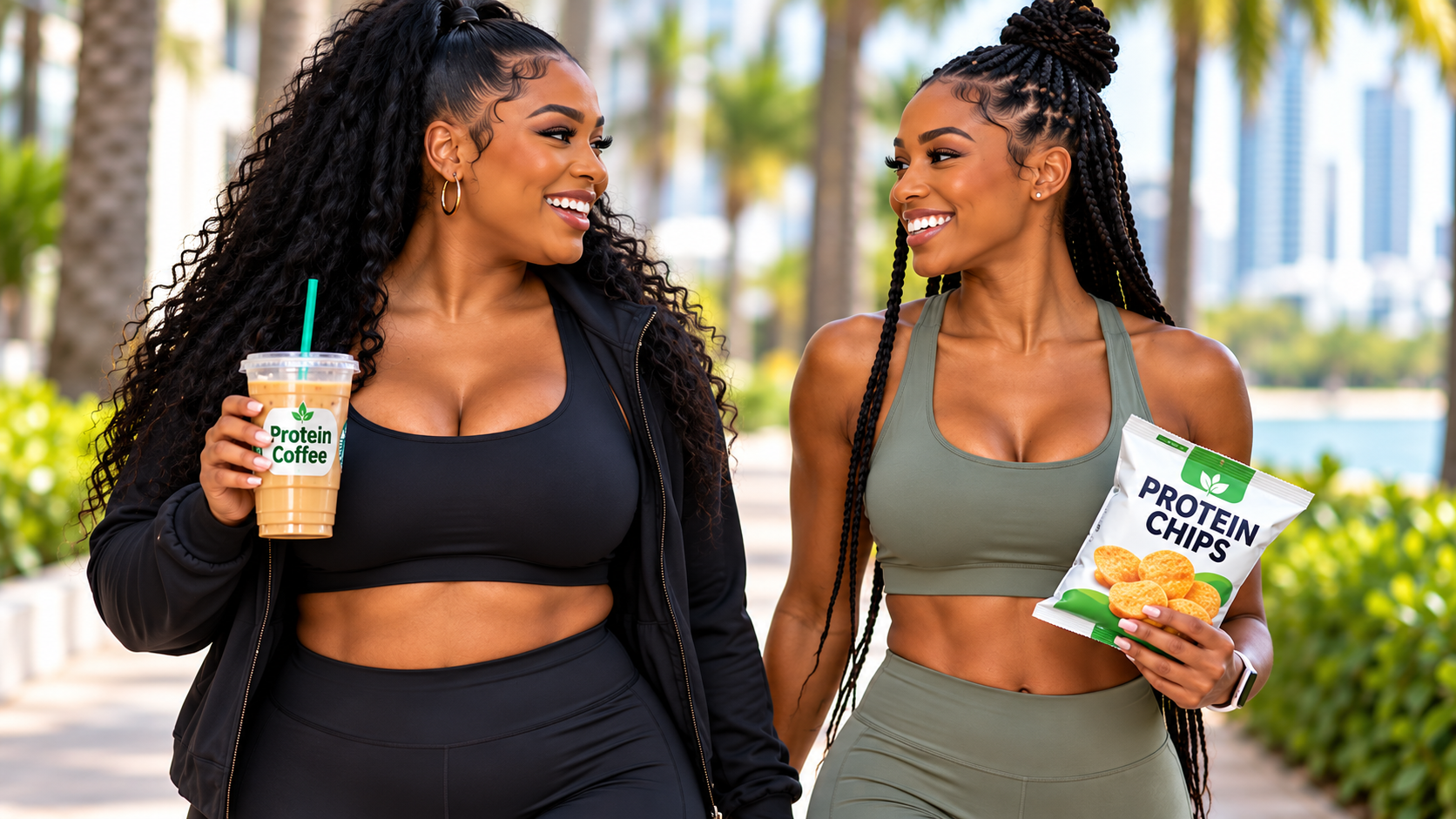
Protein used to belong to bodybuilders, meal preppers, and people carrying shaker bottles around like an accessory. Now, protein is in everything. Chips, cereal, coffee, ice cream, brownies, soda-inspired drinks, pasta, popcorn, water, and even candy-style snacks are being marketed like they just left the gym.
The protein push is everywhere, and brands know exactly what they are doing. Protein has become one of the easiest ways to make a snack sound healthier, more filling, and more worth the money. Circana reported that protein and convenience are two major forces shaping how Americans eat, while its snacking research says protein is still the top thing consumers want to increase in their diets. Reuters also reported that demand for higher protein snacks is being boosted by consumers asking AI what to eat, along with interest in foods tied to specific health goals.
But here is where the conversation gets messy: experts are not saying everybody needs protein in every single thing they eat. They are saying protein matters, but context matters too.
Protein is essential because the body uses it to build and repair tissue, support muscles, help with enzymes and hormones, and keep people feeling full. That part is not hype. The issue is that a protein label can make almost anything look like a wellness product, even when the item is still a sugary dessert, salty snack, or ultra-processed food with a little protein added. Harvard’s Nutrition Source puts it plainly: protein is essential, but not all protein sources are equal, and people “may not need as much as you think.”
That is the part consumers need to clock. A protein brownie is still a brownie. A protein soda-style drink is still a packaged drink. A protein cookie may keep you fuller than a regular cookie, but that does not automatically make it dinner, fitness fuel, or a health food. The front of the package is selling the fantasy. The back of the package tells the truth.
Experts generally point people toward real protein sources first. The CDC and MyPlate list protein foods like seafood, lean meats, poultry, eggs, beans, peas, lentils, legumes, nuts, seeds, and soy. Those foods bring more to the table than protein alone. They can also offer fiber, healthy fats, vitamins, minerals, and other nutrients, depending on the source.
That is why a bowl with eggs, Greek yogurt, beans, salmon, chicken, tofu, lentils, tuna, cottage cheese, nuts, or edamame is not the same as grabbing a random protein snack and calling it wellness. One is food doing food work. The other may be convenient, but it needs a label check.
So how much protein is actually beneficial? For the average sedentary adult, the long-standing Recommended Dietary Allowance is 0.8 grams of protein per kilogram of body weight per day, which Harvard translates to a little more than 7 grams for every 20 pounds of body weight. That means a 160-pound adult would be around 56 grams per day as a baseline, though individual needs can change based on age, health, activity level, pregnancy, weight loss goals, and medical conditions.
For people who train regularly, lift weights, play sports, or are actively trying to build or maintain muscle, the number can be higher. The International Society of Sports Nutrition says most exercising individuals can benefit from 1.4 to 2.0 grams of protein per kilogram of body weight per day for muscle building and training adaptation. It also says a dose of about 20 to 40 grams of high-quality protein at a time is a useful target for muscle protein synthesis, especially when spread across the day.
That means the real flex is not stuffing protein into every snack just because TikTok said so. The real flex is getting enough protein at meals and snacks in a way that makes sense for your body.
Type matters too. High-quality protein usually means the food contains all essential amino acids, especially enough leucine, which plays an important role in muscle repair and growth. Whey, dairy, eggs, fish, poultry, meat, and soy are commonly discussed as complete or high-quality protein sources. Plant-based eaters can still meet their needs, but they may need more variety from foods like lentils, beans, peas, tofu, tempeh, nuts, seeds, and whole grains. Harvard Health notes that whey, pea, soy, and hempseed protein powders can be useful options when people need help meeting protein goals, but powders should be seen as supportive fillers, not replacements for a strong overall diet.
The protein trend also has a money angle. The International Food Information Council reported that protein has been the nutrient Americans are most actively trying to consume for five straight years, and that “good source of protein” is now one of the top ways consumers define a healthy food. That means brands have a huge incentive to slap protein on the front of a package because shoppers see it and immediately think the product is better.
But “more protein” is not always the same as “better.” Mayo Clinic has warned that extra protein can be an issue if it comes mostly from foods high in saturated fat, and that excess protein can be a concern for people predisposed to kidney disease. The FDA also says protein grams on a nutrition label should be used as a guide, and that a protein percent Daily Value is generally required when a product makes a protein claim like “high in protein.”
That is where shoppers need to slow down. Look at the protein number, but also check calories, added sugar, saturated fat, sodium, fiber, and the ingredient list. A snack with 20 grams of protein but a long list of sweeteners, low fiber, and a lot of saturated fat may not be the clean win the package is trying to sell.
The bottom line is simple. Protein is important, but the protein push has become bigger than basic nutrition. Snacks, sodas, coffee, and desserts are getting a gym makeover because consumers want food that feels functional, filling, and goal-oriented. Some of those products can be useful, especially for busy people who need quick options. But experts are not saying every bite needs to be protein-packed.
They are saying get enough, choose quality sources, spread it through the day, and do not let a protein label turn a dessert into a health halo. Because protein may be in everything now, but that does not mean everything with protein is automatically good for you.