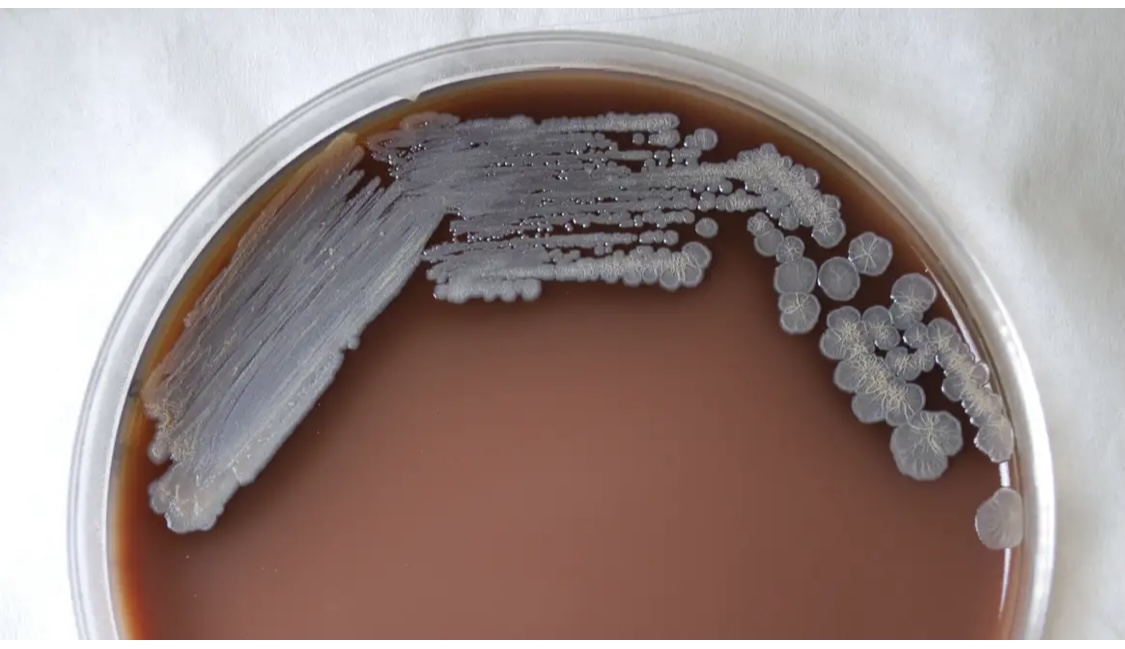
Flesh eating bacteria has killed five people in Louisiana this year, and the state normally sees one death in that span. The Louisiana Department of Health released the update on Thursday, August 6, reporting nine confirmed cases of Vibrio vulnificus among state residents so far in 2026. All nine were hospitalized. Five did not survive. Over the same period across the previous ten years, Louisiana averaged seven cases and one death, which is what makes this an outbreak rather than a bad season.
Vibrio vulnificus lives naturally in warm coastal water. It is not something dumped there or spread person to person. It is a bacterium that belongs to the Gulf, and its numbers climb between May and October when the water heats up. There are about a dozen Vibrio species that make people sick, an illness called vibriosis, and vulnificus is the one that turns serious fastest.
The nickname is not exactly accurate, though the outcome is close enough. The bacteria do not eat flesh. They release toxins that kill the tissue around the entry point, a condition doctors call necrotizing fasciitis. Once it takes hold, the dead tissue has to be cut out surgically, and if surgeons cannot get ahead of it, it moves into the bloodstream. That is where the deaths come from. About one in five people who contract Vibrio vulnificus die from it, sometimes within a day or two of feeling sick. Others survive with amputations.
Here is the part of the Louisiana report that people should actually act on. Every single one of the nine cases this year came from a wound exposed to seawater. Not one came from eating anything. Raw oysters get most of the attention in these stories because that is the other way the bacteria gets into a person, but this year in Louisiana it has been cuts, scrapes, new tattoos, fresh piercings and surgical sites meeting salt water or brackish water, which is the mix of fresh and salt where rivers meet the ocean.
All nine patients also had underlying health conditions. The state lists the highest risk groups as people with liver disease, cancer, diabetes, HIV or thalassemia, which is an inherited blood disorder that affects how the body produces hemoglobin. Also at elevated risk are people on immune suppressing treatment, people taking medication that reduces stomach acid, and anyone who recently had stomach surgery. That does not mean healthy people are immune. It means the outcomes are worse when the immune system or the liver is already working with less.
What to watch for after any water exposure: redness, pain, swelling or warmth around a wound, skin that changes color, and drainage or discharge. If the infection has moved into the blood, the signs are fever, chills, dangerously low blood pressure and blistering skin lesions. When it comes from swallowing contaminated seafood, it usually shows up as watery diarrhea, stomach cramps, nausea, vomiting, fever and chills, typically within a day. The state’s guidance is to seek care immediately and tell the provider about the water exposure, because that detail changes what a doctor tests for and how fast they move.
Louisiana is not alone, and this is the part local coverage keeps leaving out. Florida has recorded two deaths from Vibrio vulnificus so far this year, following 19 deaths in 2024 and five in 2025. Florida health officials linked their spike to major storms, particularly Hurricane Helene, which pushed floodwater and standing water into communities and gave the bacteria more places to sit. Maryland has seen cases climb. And this spring, Vibrio vulnificus showed up in water samples taken off the coast of Long Island in New York.
That last one is the shift. This has been thought of as a Gulf Coast problem, something you factor in around Louisiana, Mississippi, Alabama and Florida. Researchers have been documenting evidence of the bacteria along the Atlantic in Connecticut, Maryland, New Jersey, New York and North Carolina. The reason is not complicated. Vibrio vulnificus needs warm water, and the coastal water where it could not previously survive is now warm enough for long enough stretches of the year. As ocean temperatures rise, the map expands north.
Louisiana’s own recent numbers show what that looks like on the ground. In 2025 the state logged at least 26 cases and five deaths, with counts revised upward repeatedly through the season as more infections were confirmed. This year has fewer total cases so far but a higher share of them ending in death.
The practical advice from the health department is short. Stay out of salt water and brackish water with an open wound, including recent tattoos and piercings. Cover any wound with a waterproof bandage if contact is unavoidable. Wash thoroughly with soap and clean water after any exposure. Be careful handling raw shellfish, since the shells can cut you. And if a wound that touched coastal water starts looking wrong, do not wait it out.