
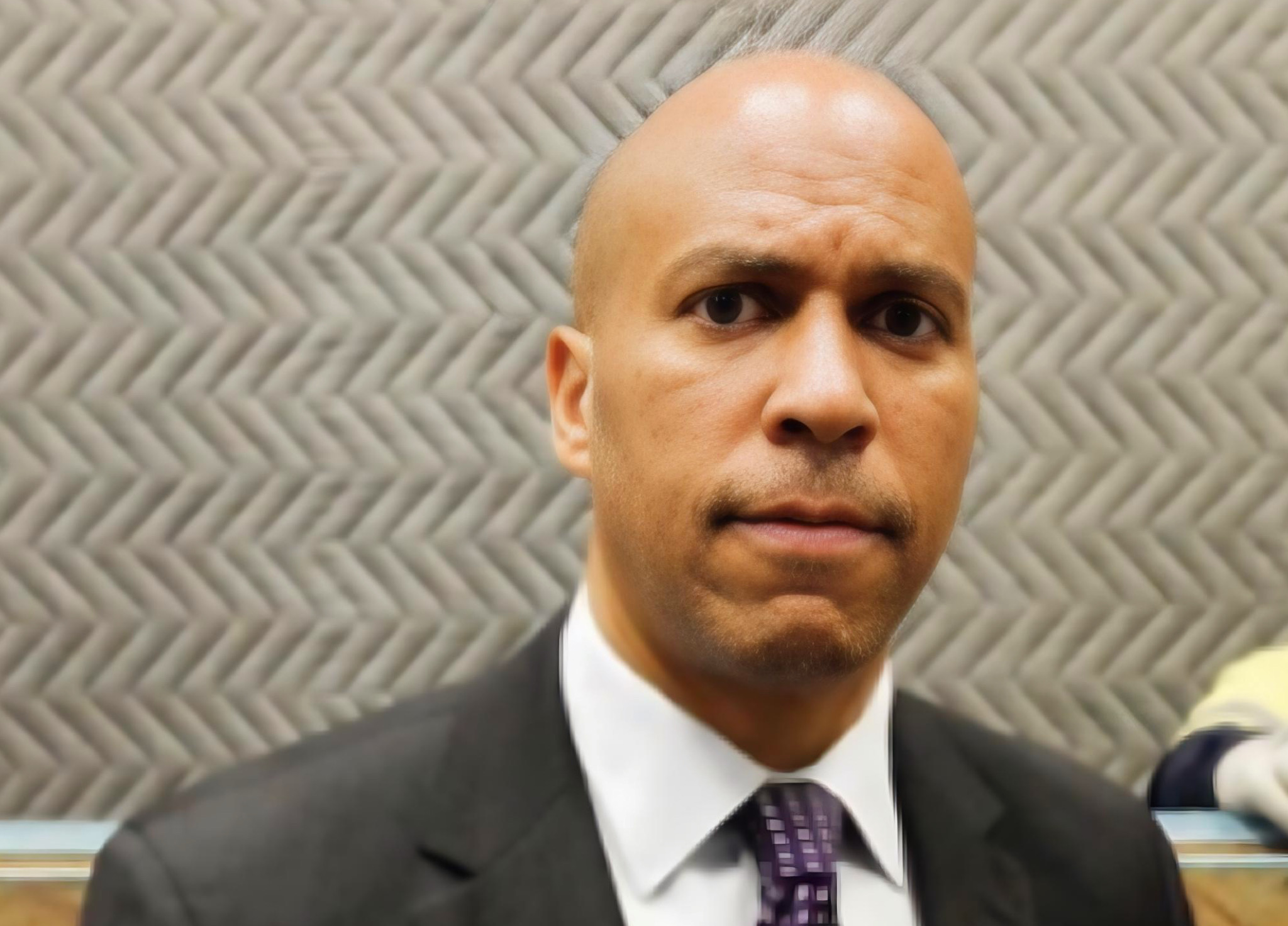
Sen. Cory Booker is speaking out against a sweeping college sports bill that he says would stop players from earning money, even as the Senate voted Tuesday to move it forward.
Video
The Senate voted 74 to 24 to advance the Protect College Sports Act, led by Sen. Ted Cruz of Texas and Sen. Maria Cantwell of Washington. The vote was what’s known as cloture, a procedural step that cuts off debate so a bill can move toward a final vote. It needed 60 votes to pass.Booker, a Democrat from New Jersey and a former Stanford football player, was one of the loudest voices against it. “It is not protecting athletes,” he said on the Senate floor. He argued the bill is “doing all kinds of things to stop players from earning money,” putting bureaucracy between athletes and their earning opportunities while doing nothing to rein in coaches.
Sen. Chris Murphy, a Democrat from Connecticut, raised similar concerns. He said the bill would take bargaining power away from athletes and give colleges exemptions from antitrust law, the rules that stop businesses from teaming up to control prices or wages.
That antitrust piece is at the heart of the fight. For years, athletes have won lawsuits arguing that the NCAA and schools illegally agreed to limit what players could earn. Those court losses are a big reason athletes can now make money from their name, image, and likeness, better known as NIL. That covers endorsement deals, sponsored posts, autograph signings, and anything else where an athlete gets paid for their personal brand. The college sports bill would give schools and conferences limited legal protection so they can set shared rules without being sued over each one. Supporters say the system can’t function without that protection. Critics say it hands power back to the schools at the athletes’ expense.
The bill would do a lot. It would create a federal right for athletes to earn NIL money and replace the patchwork of state laws that currently govern it. Schools have been allowed to share revenue directly with athletes since a court settlement last year, and the bill would nearly double the cap on those payments to about $49 million per school.
It would also require agents to register with a state before representing athletes and cap their fees at 5%. Athletes would keep scholarship access for 10 years after their playing days end so they can finish their degrees, and Division I schools would have to cover athletes’ medical care while they compete.The bill would also tighten the rules around movement. It sets a five-year eligibility window, adds restrictions to the transfer portal, and creates rules for when schools and agents can contact athletes. Football coaches would be blocked from leaving mid-season to effectively take over another major program.
On the money side, schools could join together to negotiate TV and media deals, the way the NFL and NBA already do. Joining would be voluntary, and existing media contracts would stay in place.The bill does not settle whether college athletes should be treated as employees. That question stays open.
Supporters say college sports have turned into the Wild West. “I think most people acknowledge that the current landscape of college sports is a mess,” Senate Majority Leader John Thune said before the vote.Recent headlines have added fuel. LSU coach Lane Kiffin caused an uproar when he considered adding players who had been cut from NFL rosters, and former Ole Miss tight end Dae’Quan Wright practiced with the Tigers after being waived by the Cleveland Browns. Quarterback Brendan Sorsby was ruled ineligible by the NCAA for sports gambling, including betting on his own team.Cruz argues that without federal action, many schools will be forced to cut football or drop women’s sports and other programs that don’t bring in money, because they can’t keep up with bigger schools’ NIL spending.
“We can sit on the sidelines and watch college sports continue to unravel, or we can step on the field and lead,” he said. He says more than 370 universities have endorsed the bill.
The college sports bill has picked up support from both parties, including Senate Minority Leader Chuck Schumer, who voted to advance it. Coaches including Arkansas basketball coach John Calipari and Gonzaga basketball coach Mark Few have also backed it. “This bill might not be perfect, but it’s far, far away the best thing we got out there right now,” Few said.
Sen. Eric Schmitt, a Republican from Missouri, said Congress may not get another chance soon. “We’re going to get one shot at this, and I don’t know if we ever will again soon,” he said.
Tulane sports law professor Gabe Feldman called it the closest Congress has ever come to passing comprehensive federal legislation for college sports.
The bill is not law yet. It still needs another procedural vote and a final vote in the Senate before it heads to the House, which would have to pass it too.