

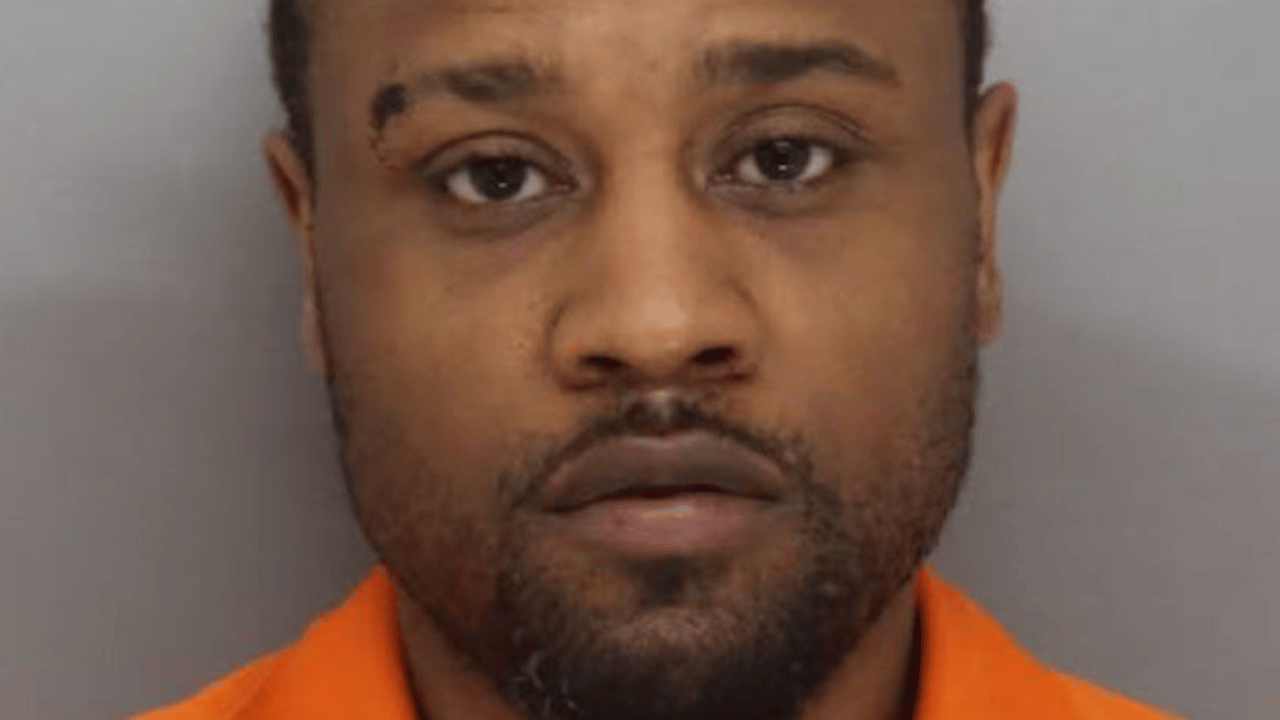
Rodney Hinton Jr. has been found guilty in the killing of Hamilton County Sheriff’s Deputy Larry Henderson, bringing a verdict in a closely watched Ohio murder trial that began after police fatally shot Hinton’s teenage son in May 2025.
According to Local 12 News, a Hamilton County jury returned guilty verdicts on Friday, October 23, 2026. The station reported that Hinton was convicted on all charges following a trial centered on whether he intentionally killed Henderson or was experiencing a psychiatric crisis that prevented him from understanding his actions.
The verdict came after three days of jury deliberations and approximately two weeks of testimony examining the events of May 2, 2025.
That morning, Hinton drove his vehicle into Henderson as the deputy directed traffic near the University of Cincinnati during graduation activities. Henderson, a longtime law enforcement veteran who had retired from the sheriff’s office, was working a special assignment when he was struck and killed.
The fatal collision happened just hours after Hinton watched police body camera footage showing the death of his son, Ryan Hinton, who had been shot by a Cincinnati police officer the previous day.
Ryan was killed on May 1, 2025, during a police investigation involving a stolen vehicle. Hamilton County Prosecutor Connie Pillich subsequently determined that the officer’s use of deadly force was legally justified.
Hinton’s family had challenged the circumstances surrounding Ryan’s death, including whether the available footage established that he had threatened an officer.
Prosecutors argued that Hinton deliberately targeted Henderson after seeing the video of his son’s death, despite the deputy having no involvement in Ryan’s shooting.
During closing arguments, Assistant Prosecutor Kate Burroughs maintained that Hinton’s actions were intentional. Prosecutors pointed to evidence that he waited for traffic to clear before crossing multiple lanes and driving toward Henderson.
“Deliberate, aggressive, purposeful, intentional. Make no mistake — this was murder,” Burroughs told jurors.
Hinton’s defense attorney, Clyde Bennett II, presented a different explanation.
Bennett argued that his client had a documented history of severe mental illness and was suffering from acute psychiatric symptoms after witnessing footage of his son’s final moments. The defense maintained that Hinton did not understand the wrongfulness of his actions when the collision occurred.
Throughout the proceedings, Hinton pleaded not guilty by reason of insanity.
The defense also suggested that Hinton may have been attempting to take his own life by driving toward a utility pole, rather than intentionally targeting Henderson.
According to WCPO 9’s courtroom reporting, defense expert Dr. Maria Espinola testified that Hinton’s longstanding psychiatric condition, combined with the trauma of losing his son, caused psychosis and dissociation that impaired his ability to recognize the wrongfulness of his actions.
However, two psychologists who testified for the prosecution reached a different conclusion.
Dr. Jaime Adkins and Dr. Jennifer O’Donnell acknowledged Hinton’s documented mental health history but testified that the evidence did not establish he was experiencing an acute psychotic episode that prevented him from understanding his conduct was wrong.
The disagreement became central to the trial, with jurors weighing Hinton’s mental state alongside eyewitness testimony, crash evidence and his behavior before and after Henderson’s death.
During deliberations, jurors also sought clarification from Hamilton County Common Pleas Judge Jody Luebbers about the language distinguishing the two aggravated murder counts.
Before the case went to the jury, Luebbers had granted the defense’s request to include reckless homicide as a lesser offense for jurors to consider.
Earlier in 2026, the court also removed the possibility of capital punishment after mental health evaluations established that Hinton met Ohio’s legal requirements for excluding the death penalty. That ruling did not determine whether he was legally insane at the time of the killing.
Friday’s guilty verdict rejects the defense’s effort to avoid criminal responsibility through an insanity finding.
Hinton now faces sentencing following the jury’s decision.
