

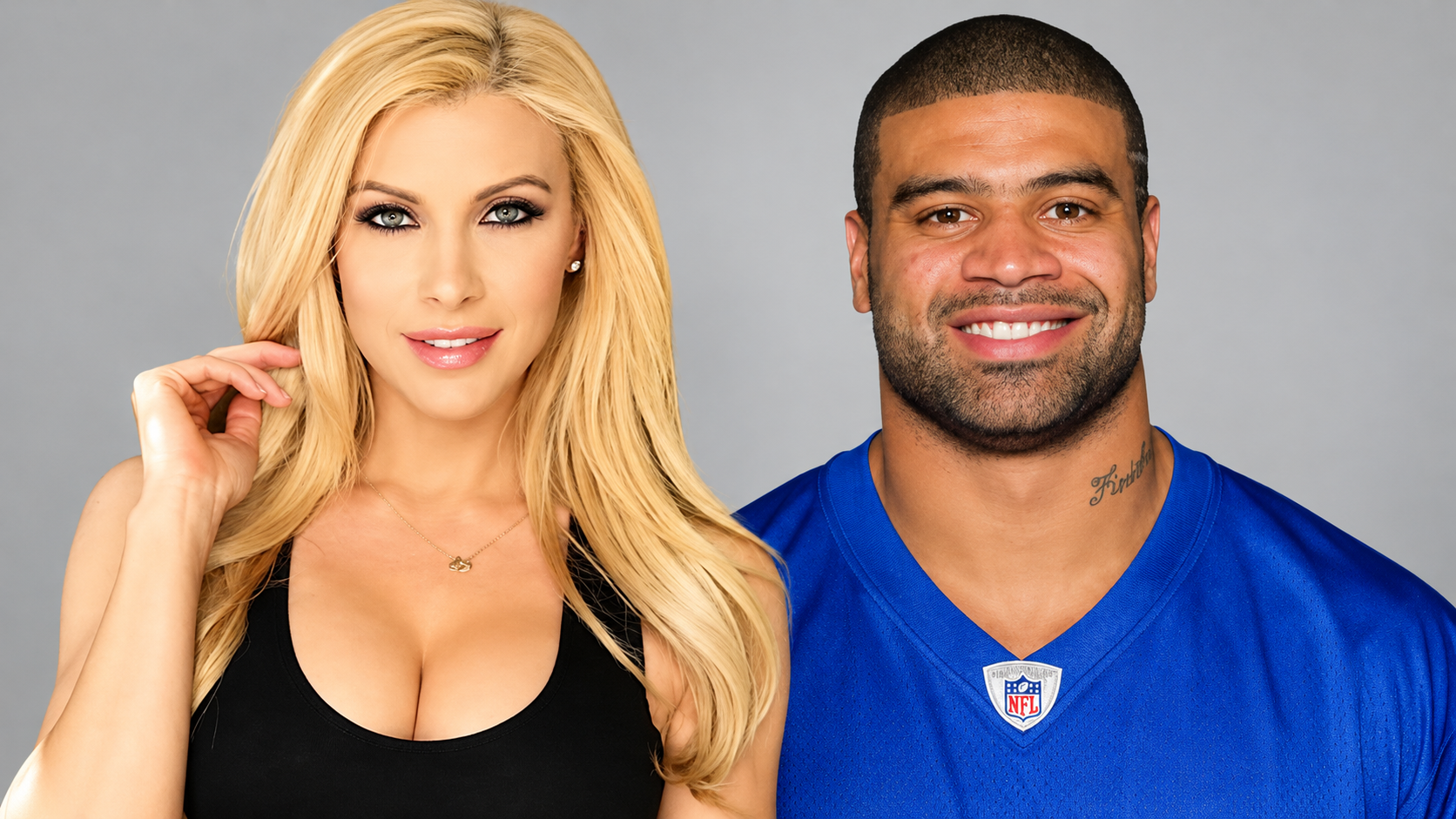
Shawne Merriman has been ordered to pay $4 million to the family of Kimberly Fattorini, the Playboy employee who died of an overdose in 2017, after a jury found the former NFL linebacker liable in her death.
A Los Angeles judge entered the judgment on October 5, according to court documents obtained by TMZ. The ruling follows a jury verdict last year that found Merriman and three other defendants responsible and awarded Kimberly’s parents, DeAnn and Ferdinand Fattorini, millions in damages. The verdict was the jury’s decision. The judgment is the court’s official order that makes the money legally owed.
The $4 million judgment names Merriman alongside club promoter Elias Wehbe, J.P. Castro and Monica Maass. No breakdown of how much each person owes individually has been reported. The judge ruled in favor of the nightclub defendants, including The Highlight Room, Tao Group and The Warwick, so those businesses will not pay the family anything.
Shawne Merriman joined the San Diego Chargers in 2005 and quickly became one of the most feared pass rushers in football, earning the nickname “Lights Out.” He won NFL Defensive Rookie of the Year, made three straight Pro Bowls, and played for the Chargers through 2010 before finishing his career with the Buffalo Bills. He retired in 2013 and went on to work in sports television.
Kimberly was 30 and worked as a casting associate at Playboy. On July 21, 2017, friends found her unresponsive at a private residence in Hollywood, and she died. Her death was officially ruled accidental, caused by a combination of alcohol, cocaine and GHB. GHB is a depressant often called the date rape drug because it can quickly leave someone sedated or unconscious when slipped into a drink.
Her parents sued in 2019. Their complaint accused Shawne Merriman of drugging and possibly sexually assaulting their daughter before she overdosed after a night of partying. They brought claims for negligence, battery and a violation of the Drug Dealer Liability Act, a California law that allows families to sue people who supply illegal drugs that cause harm. A wrongful death case like this one is a civil lawsuit, which means it seeks money damages rather than criminal punishment.
A text message sat at the center of the case. According to the lawsuit, Wehbe texted Merriman an invitation to a gathering where Kimberly was. Shortly after Merriman arrived, Kimberly texted Wehbe from another room: “you friend just poor’d half G in my drink.” Her family argued that “G” meant GHB and that the friend she was describing was Merriman. Messages she sent later that night came through as jumbled strings of letters.
The lawsuit says Kimberly, Merriman and a friend then went to Maass’s apartment. When 911 was called, first responders found Kimberly “half-naked with her jeans unzipped and unbuttoned,” according to the complaint, which also alleged that Merriman did not want anyone to know he had been with her. Her autopsy did not indicate foul play, but she was never tested for sexual assault.
The complaint also quoted texts sent after her death. One of Kimberly’s friends allegedly wrote, “Shawn killed her ass, what a [expletive] idiot.” A promoter from the party allegedly replied, “That dumbass been drugging girls for years.”
Shawne Merriman has denied any role in her death. When the suit was filed, his representative called it baseless. The representative said Merriman attended an after party where “a young woman unfortunately overdosed” and that police investigated and found no wrongdoing on his part. Merriman later told the court the family’s allegations were defamatory and had cost him television work, saying he had been a sports commentator on several shows until her death made the news. His spokesperson, Nancy Sterling, has said Merriman remains devastated by Kimberly’s death but cannot speak about it because of the litigation. No criminal charges were ever filed against him, and he has not publicly responded to the judgment.
The case took years to reach a jury partly because Merriman filed for bankruptcy in 2018, the year after Kimberly died. Bankruptcy pauses most lawsuits against the person who files, so the family needed a court’s permission before they could pursue him. A court eventually allowed the case to move forward. It is not yet clear how that bankruptcy history could affect the family’s ability to collect.
