

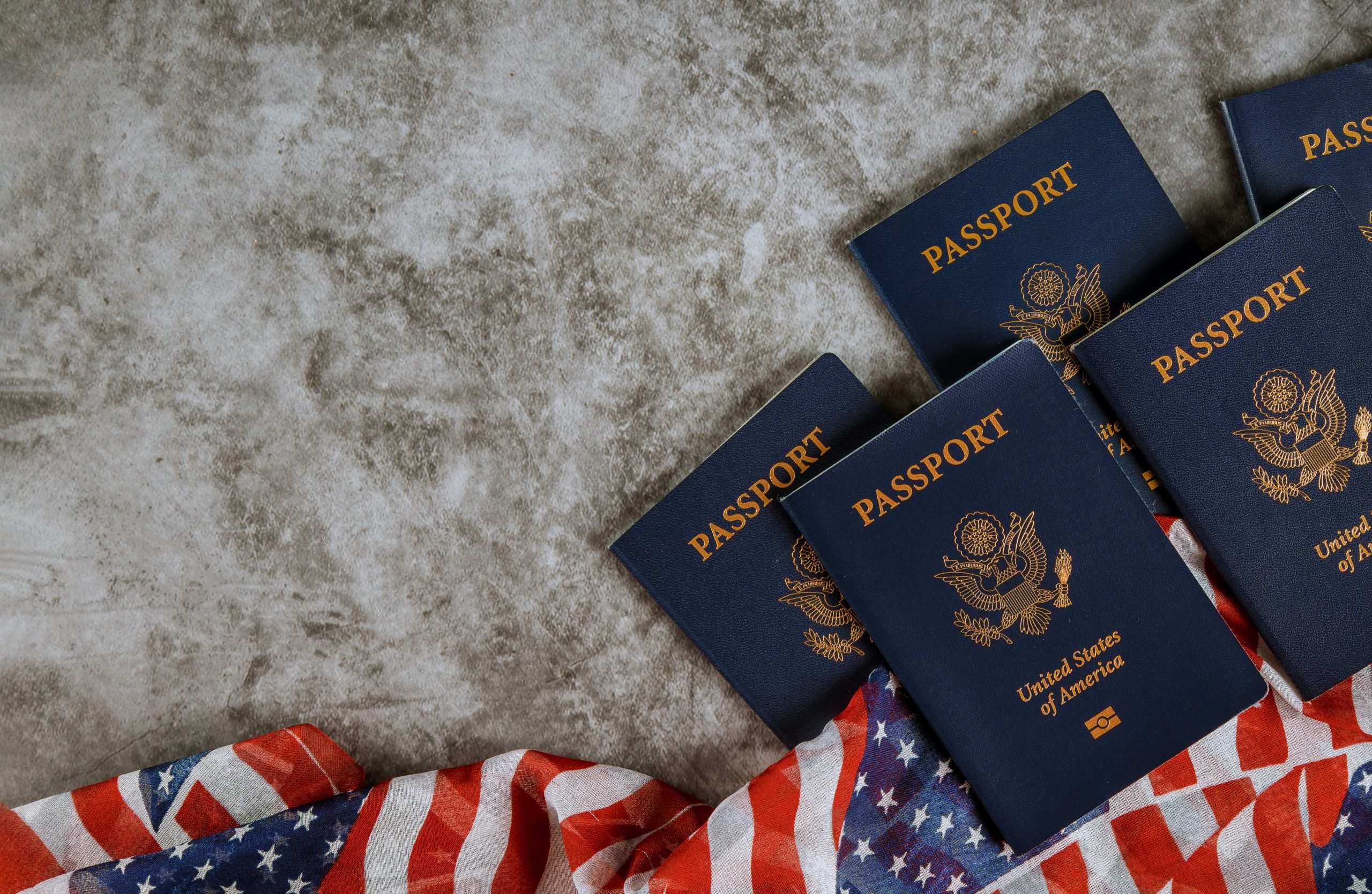
Applying for a first U.S. passport is about to look very different as the federal government moves one of its most familiar in-person services online.
Beginning in 2027, the State Department plans to allow many Americans seeking their first passport to complete the process digitally through America.gov, a federal portal designed to bring government information and services into one place. According to the White House, federal agencies have been directed to integrate covered services into America.gov and use Login.gov for identity verification where required.
For applicants, the promise is convenience. Instead of printing paperwork, finding a passport acceptance facility, getting a physical photo taken and appearing for an appointment, eligible applicants are expected to eventually handle much of the process from a phone or computer.
Secretary of State Marco Rubio summarized the goal during the September 2026 unveiling: “No printing forms, no drugstore hostage photo, no appointment, no line, no middleman.”
The new online passport applications are expected to allow users to fill out forms, upload a photograph, pay fees, and monitor processing through a digital account. According to the State Department details reported during the rollout, Rubio said officials want the “vast majority of Americans” to have access to the online option by the end of 2027.
The change expands an existing digital push. Eligible adults have already been able to renew certain passports online since 2024. First-time applications, however, have traditionally required Form DS-11 and an in-person visit to an authorized acceptance location.
America.gov is intended to go much further than passports. According to the White House, the platform is being developed as a single digital entry point where people can find federal information and eventually complete transactions across agencies. Officials say the goal is to reduce the need for Americans to navigate separate federal websites, repeatedly enter information, and independently figure out which agency handles a particular service.
That convenience could be significant, particularly for people who live far from passport facilities or cannot easily take time away from work.
But moving identity-heavy government services online creates another set of problems.
Fraud is one of the biggest concerns. According to the Federal Trade Commission, consumers reported losing $3.5 billion to imposter scams in 2025. About $920 million of those reported losses involved government impersonators.
A government portal that becomes widely associated with passports, Social Security, Medicare and other federal services could give scammers another recognizable brand to imitate. Fake websites, sponsored search results, phishing emails and text messages could be designed to look like America.gov or Login.gov and trick users into surrendering identification documents, passwords, Social Security numbers or payment information.
That danger is not hypothetical. The FTC says it received more than one million reports involving imposter scams in 2025, while reports involving government imposters rose 40 percent. The agency has repeatedly warned consumers not to trust unexpected links or messages that claim to come from government agencies.
Online passport applications also put greater importance on remote identity verification. In July 2026, the Government Accountability Office warned that stolen personally identifiable information can be used to fraudulently obtain government services and commit financial crimes. GAO said Login.gov uses encryption, access restrictions, and monitoring, but the agency has also called for improvements to federal identity verification systems and the way technical and fraud risks are addressed.
Then there is the digital divide.
According to 2024 data from the U.S. Census Bureau, more than 6 million U.S. households reported having no internet access at home. Research from Pew Research Center has also found persistent gaps in broadband and smartphone access based on income and age.
That means an online system can simplify an application for one person while creating another obstacle for someone without dependable internet service, a modern device or confidence uploading sensitive documents online. How much of the existing in person system remains available will therefore matter, especially for older Americans and people with limited digital access.
Employment is another concern, although there is currently no evidence that the passport overhaul itself will trigger layoffs.
Passport acceptance services are currently offered through post offices, libraries, clerks of court, and other approved facilities. If online passport applications eventually reduce the number of people who need in-person assistance, demand for some transaction-based work could decline. The Government Accountability Office has previously found that agencies see Login.gov as a way to improve user experiences and reduce costs.
However, neither the State Department nor the White House has announced passport-related staff reductions as part of the 2027 rollout. Any claim that a specific number of workers will lose their jobs would therefore be speculation. What can be said is that large-scale automation often changes where labor is needed. Less manual intake could be accompanied by greater demand for cybersecurity, identity verification, technology support, and fraud prevention.
The federal government is betting that the benefits will outweigh those risks. The September 2026 executive order establishing the broader America.gov framework says the government wants services defined by simplicity, speed, accuracy, security and respect for individuals.
Whether that vision works will depend on more than whether an application can be completed from a couch. Online passport applications will also have to prove that digital convenience does not make fraud easier, leave people without reliable technology behind, or remove human assistance before a dependable replacement exists.
The real test of the digital passport era will not simply be how quickly the government can move services online, but whether Americans can still trust and access them once they get there.
