Women’s sports is having its biggest moment in history. Sold-out stadiums. Record viewership. Viral highlights. Brand deals. Magazine covers capturing some of the world’s brightest female athletes. And yet, when the direct deposit hits, It doesn’t reflect any of that. The most underpaid people in professional sports are women. The numbers make it impossible to argue otherwise.
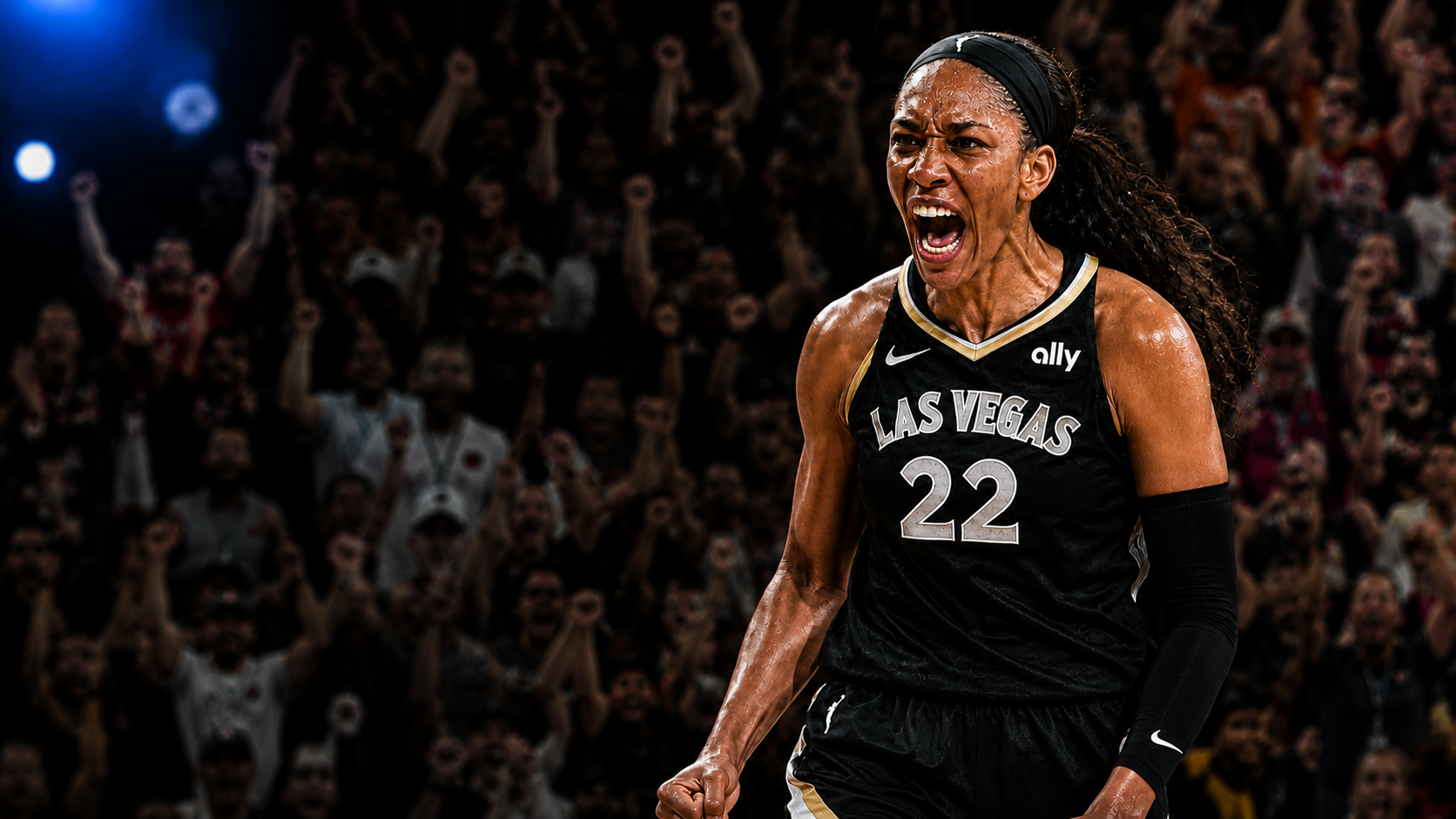
Start with the sport that’s been the loudest about this conversation. The lowest-paid player in the NBA earns 4.6 times more than the highest-paid player in the entire WNBA. Read that again. A bench player riding pine in the NBA, someone who may not see 10 minutes of court time all season, takes home more than the best player in women’s basketball.
On average, NBA salaries are over 100 times higher than WNBA salaries. And it’s not like nobody is watching. The WNBA is breaking its own viewership records. Arenas are selling out. The product is undeniable.
The players know it too. At the 2025 WNBA All-Star Game, every single player walked out wearing shirts that read “Pay Us What You Owe Us,” a unified, public message aimed directly at the league’s broken labor structure. It went viral for a reason. Because they’re right.
This isn’t a WNBA problem. It’s a women’s sports problem across the board. In soccer, Women’s World Cup players received just 25 cents for every dollar earned by the men. Same tournament format. Same sacrifice. A fraction of the reward.
In golf, a male major champion takes home around $3 million. A female major champion takes home around $1 million. Same courses. Same pressure. Two very different bank accounts.
In hockey, the NHL minimum salary sits at $775,000, while the highest-paid players in the PWHL earn around $100,000. The US women’s hockey team won Olympic gold in 2026 and came home to those numbers.
The standard response is always the same, women’s sports don’t generate the same revenue, so they can’t pay the same salaries. But that argument ignores how revenue actually gets built. Men’s sports leagues didn’t become billion-dollar industries overnight. They were built through decades of media deals, sponsorships, and institutional support, support that women’s sports have been denied for just as long.
In 2025, not a single woman ranked among the 100 highest-paid athletes in the world. The highest-paid female athlete, Coco Gauff, earned $31 million, over $6 million less than the man who ranked last on that list.
And a 2024 survey found that 58% of female athletes earn $25,000 or less annually from their sport. These are professional athletes. Elite competitors. World-class talents. Taking home less than entry-level salaries in careers they’ve dedicated their entire lives to.
There is progress worth acknowledging. In January 2026, Trinity Rodman became the highest-paid female soccer player in the world after signing a deal worth more than $2 million per year. Tennis Grand Slams now offer equal prize money. The WNBA’s new CBA negotiations include proposals that could create the first million-dollar base salary in women’s team sports history.
But progress at the top doesn’t fix the bottom. For real change to happen, structural investments need to be made, bigger media deals, increased corporate sponsorships, and the institutional will to treat women’s sports with the financial backing it deserves.
Women are filling the seats. They’re driving the conversation. They’re the reason people are tuning in. The culture has already decided women’s sports matter.
The money just needs to catch up.