

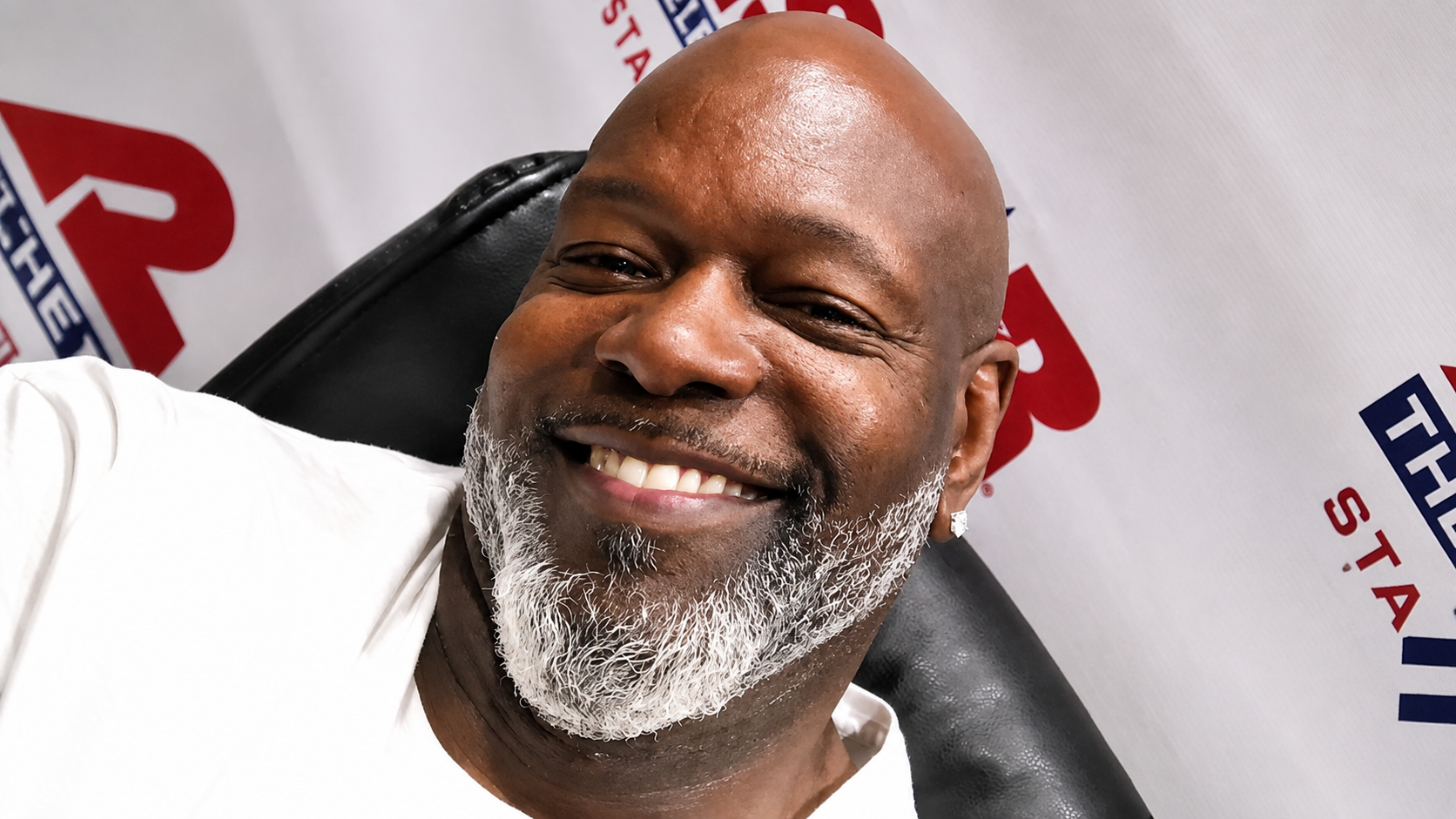
A new civil lawsuit is putting Emmitt Smith’s business dealings under scrutiny after a Cherokee-owned investment company accused the NFL legend and several partners of diverting a $2.5 million loan connected to a massive Texas solar development. According to Tribal Business News, Kituwah Energy Project #2 LLC filed the Emmitt Smith lawsuit on August 31 in the Delaware Court of Chancery against Smith, business partner David Mosley, 4 13 Solutions Inc., and several other defendants. The company is owned by the Eastern Band of Cherokee Indians through Kituwah LLC, which describes itself as a wholly owned economic development enterprise created to generate long-term revenue and opportunities for the tribe.
The complaint centers on Project Exodus, a proposed utility-scale solar and battery storage development in Caldwell County, Texas. According to Front Office Sports, Kituwah alleges Smith, Mosley, and their company persuaded it to provide the $2.5 million after pitching a partnership that would eventually secure “permanent financing” from the U.S. Department of Energy and have the solar farm “up and running” by the end of 2024.
Kituwah claims the alleged “ploy” began in early 2023 and included a “steady stream of lies” about the project’s financing, potential investors, and expected performance. The complaint alleges Kituwah relied on “false projections and data” and was assured that its money would be repaid “in a matter of months.”
According to Tribal Business News, the parties formed Jabez 4 10 LLC to acquire and develop Project Exodus. Kituwah then loaned the joint venture $2.5 million in September 2023. The complaint says the financing carried a 12 percent annual interest rate and was due for repayment in February 2024. Kituwah alleges projections presented during the deal anticipated the project entering service by December 31, 2024, and generating approximately $13.8 million in first-year net income.
The central dispute is what allegedly happened to Kituwah’s money. According to the complaint, the defendants earmarked the loan proceeds to “improperly pay” Wilson Holdings, another entity involved with the venture. Kituwah claims that payment should not have occurred unless permanent financing for Project Exodus had first been secured. The company now says it has “not recovered a penny.”
“Kituwah poured substantial time, efforts, and resources in the purported joint venture,” the suit says. “Not only has Kituwah not seen any returns on its investment, Kituwah has been forced to expend additional costs in efforts to reclaim the amounts it is still owed pursuant to its investment, including to investigate what happened to its money.”
Public records add an important layer to the Emmitt Smith lawsuit. Project Exodus itself appears to predate Kituwah’s involvement by years. Caldwell County Commissioners Court records show county officials were discussing economic development negotiations connected to Project Exodus as early as October 2021. In August 2022, another county proceeding recorded support for industrial revenue bonds connected to the project and described plans involving large-scale solar and battery storage infrastructure, with an expectation that hundreds of jobs could be created or retained.
That history matters because it suggests the lawsuit is not simply alleging that Project Exodus was an invented project. Instead, Kituwah’s allegations focus on representations surrounding its specific investment, the handling of its loan, and whether promised financing and development milestones actually materialized. The complaint says Kituwah “has not seen any evidence that Project Exodus has made any meaningful progress towards completion.”
There is also evidence that 4 13 Solutions continued publicly associating itself with Project Exodus after the date Kituwah says the development was supposed to be operational. In a June 2025 company announcement, 4 13 Solutions said RGS Energy had secured a supply chain management agreement for Project Exodus, which it described at that time as a 226 megawatt solar farm with a 200 megawatt battery energy storage system in Maxwell, Texas. That announcement does not establish that the project reached construction, completion, or permanent financing.
The company also continued raising capital for its broader renewable energy business. According to a February 2026 announcement from Pathward, a $17.2 million structured finance transaction was completed between Pathward and 4 13 Solutions, with the proceeds designated to support development of 4 13’s solar projects. The announcement said the company had energy interests in Texas and other markets, but it did not identify Project Exodus as the specific recipient of that financing.
Kituwah alleges its own investigation eventually concluded the use of its loan was “essentially, like a Ponzi scheme.” The loan came due February 1, 2024, without repayment. The filing says nearly $600,000 in interest had accumulated, pushing the claimed balance above $3 million. Kituwah says it later attempted to “work out a resolution” by offering to waive interest if the principal was repaid by August 31, 2025, but alleges the proposal was “effectively ignored.”
The case comes with an unusual piece of unrelated legal background for Smith. In a separate Dallas County case, Smith is on the opposite side of fraud allegations. According to the Fort Worth Star Telegram, Smith and another plaintiff sued Traders Domain FX and several individuals, claiming they lost more than $500,000 after being induced to invest through false representations. That dispute is separate from the Kituwah case and does not establish anything about the allegations involving Project Exodus.
Smith’s name carries weight far beyond his business ventures. The former Dallas Cowboys star retired with 18,355 rushing yards, won three Super Bowls, and entered the Hall of Fame in 2010. He later moved heavily into commercial real estate and energy ventures, with 4 13 Solutions describing Smith as its founder and chairman.
The new lawsuit remains a civil allegation, not a finding that Smith or any other defendant committed fraud. Representatives for the defendants could not immediately be reached for comment after the filing. Kituwah is seeking at least $2.5 million plus interest, costs, additional damages, attorneys’ fees, and “further relief as the court deems just and proper.”
