

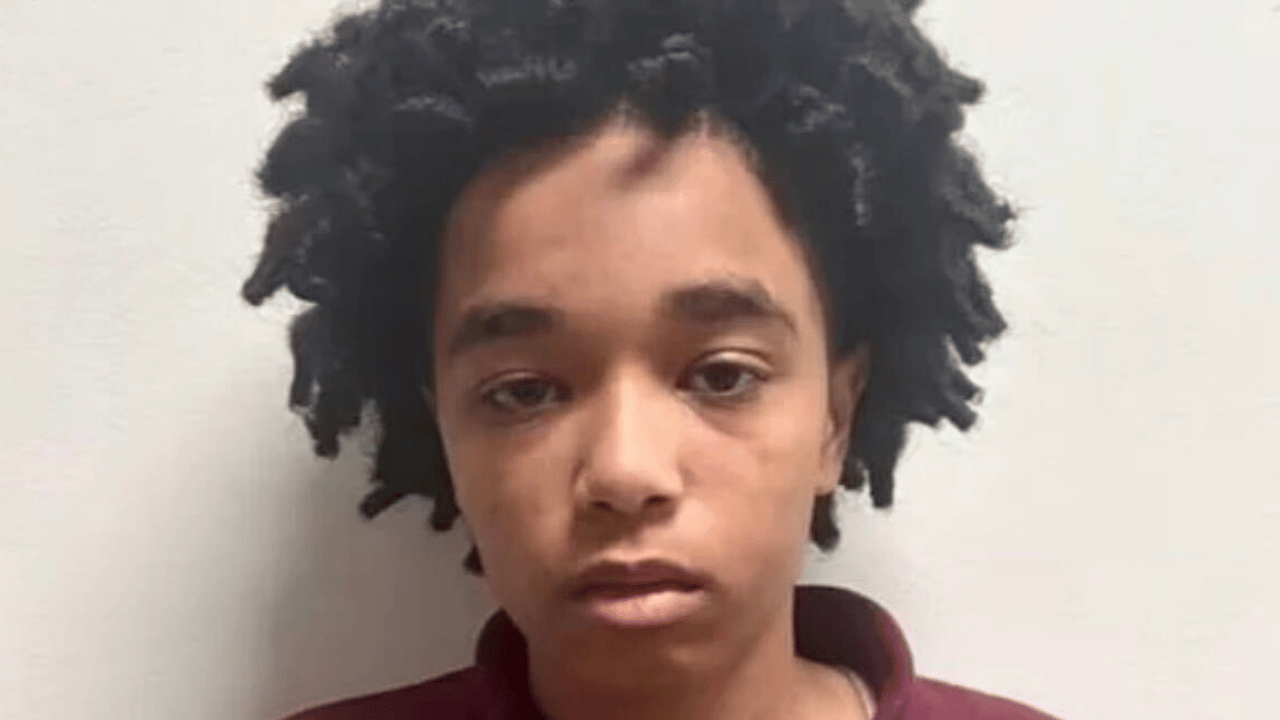
Lilyana Wagner, the Georgia teenager who fatally shot her mother while she slept, has been sentenced to life in prison after telling investigators the killing happened only because she backed out of a school shooting she had been planning for months.
The Tifton Judicial Circuit District Attorney’s office confirmed the plea deal on August 25, 2026. Wagner, now 16, pleaded guilty to felony murder and aggravated assault in the November 2024 death of her mother, 51-year-old Rachel Suzanne Wagner. Under the terms of the sentence, she will not be eligible for parole until she has served a minimum of 30 years, which puts her in her mid-40s before a parole board can even consider her case. She was 14 at the time of the killing.
The case came to light almost by accident. On November 19, 2024, Lilyana Wagner crashed her mother’s car with no one else inside. When officers responded to the wreck, she told them she lived alone with her mother. Police later learned Rachel Wagner had not shown up for work that morning and was not answering her phone, so officers from the Tifton Police Department went to the home for a welfare check. Inside, they found her in her bed, dead from a single gunshot wound to the back of the head.
In a handwritten confession, Lilyana Wagner explained the decision in her own words. She wrote that the whole thing was a last-minute choice, that she had been planning to commit a school shooting at her old middle school, and that she chose to kill her mother instead. She added that even though she did not carry out the school attack, the event was “inspired by these people,” and then listed the names of six mass shooters from memory.
The investigation that followed, run by Tifton police alongside the Georgia Bureau of Investigation, pulled up an extensive online footprint. Prosecutors said the teenager was obsessed with school shooters and mass shootings and had built a reputation across her social media accounts as someone interested in planning and executing a mass casualty event. That was not a private fixation. It was a public identity she had been cultivating.
The part of this case that should stop people cold is what investigators found underneath that. According to prosecutors, in the months leading up to the killing, Lilyana Wagner was using multiple apps to communicate with several people online, and those people encouraged her to go through with her plans. She was a homeschooled 14-year-old in South Georgia being coached toward violence by anonymous accounts. The plan changed at the last minute. The encouragement did not come from nowhere.
Rachel Wagner was a New Zealand native who had lived in the United States for close to 30 years. Her sister-in-law, Kiri Te Paea, spoke to the New Zealand outlet Stuff shortly after the murder and said her niece was heavily into video games, particularly ones built around guns and shooting. It is the kind of detail families replay for years afterward, trying to figure out which moment was the one that mattered.Georgia has been living inside this exact conversation for two years now. Colt Gray, the teenager charged in the Apalachee High School shooting, changed his plea to guilty and now faces life in prison. His father was convicted in a first-of-its-kind case for buying him the rifle used in the attack, a prosecution that established a parent could be held criminally responsible for arming a child who then kills. Between that case and this one, the state has had to reckon with how young the people at the center of these attacks keep getting, and how much of the planning happens in plain sight online before anyone intervenes.
What separates the Wagner case is that the mass shooting never happened. The plan was real, the obsession was documented, the encouragement was ongoing, and the target was a middle school full of children. It ended with one woman dead in her own bed instead. Prosecutors laid all of that out in court, and the teenager did not contest any of it.
Rachel Wagner raised her daughter in Tifton, a city of about 17,000 people roughly three hours south of Atlanta. She went to work every day. When she did not show up, that absence is what brought police to her door.
