

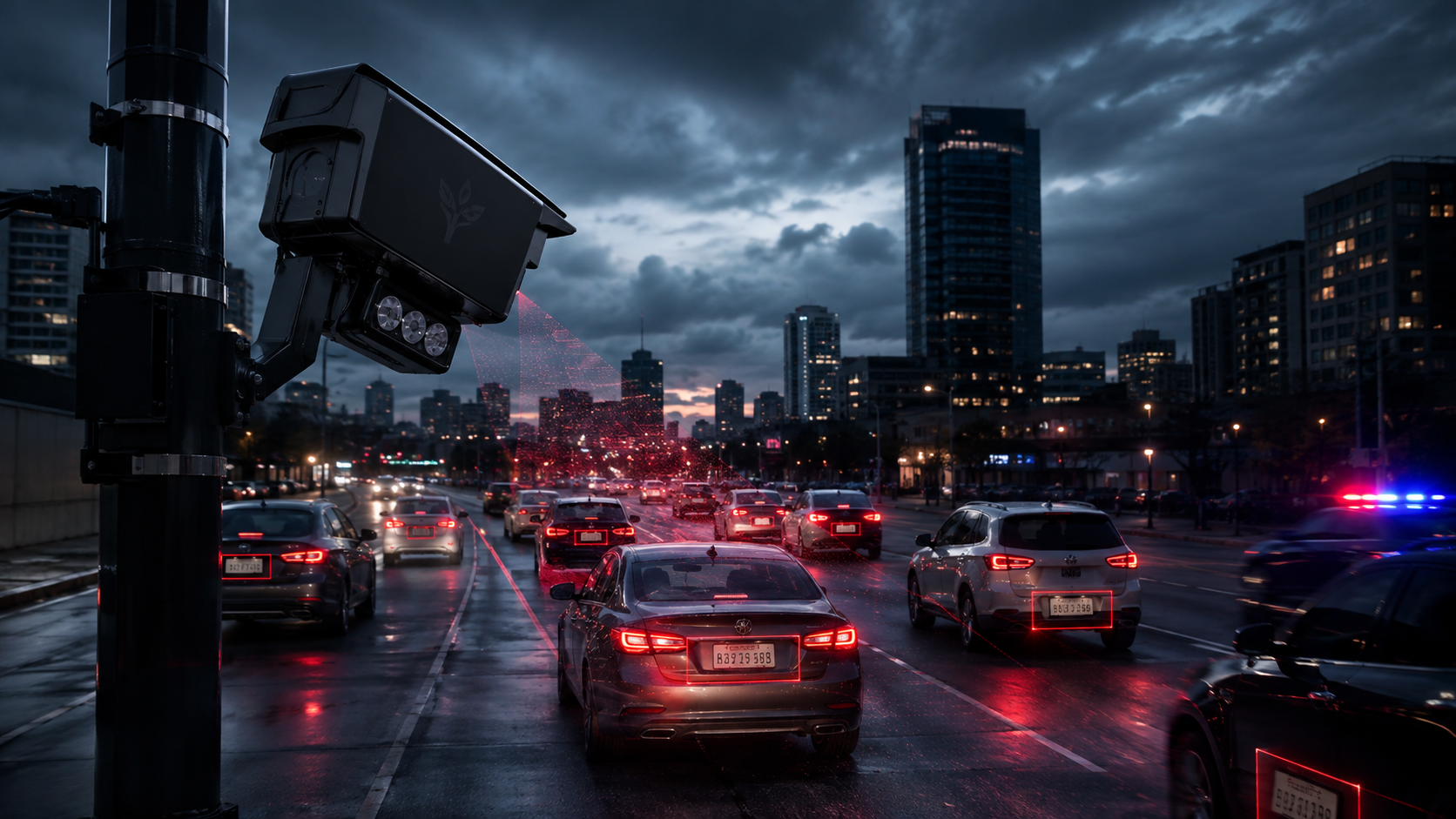
Americans are souring fast on the flock cameras quietly recording where cars travel, according to new YouGov polling.
The August 2026 polling signals a major shift in how the public views automated license plate readers, including the increasingly common Flock cameras installed near intersections, neighborhoods, parking lots, and major roads. According to The Washington Post, a YouGov survey of roughly 20,000 American adults found 46 percent now oppose law enforcement using the technology in their communities, while 38 percent support it. A year earlier, the numbers were nearly reversed, with 45 percent supporting the cameras and 33 percent opposed.
That change gets to the heart of why people are increasingly fed up. For many Americans, the issue is no longer whether a camera can help police find a stolen vehicle. The bigger question is what happens when an enormous system continuously records the movements of millions of people who are not suspected of committing a crime.
According to Flock Safety, its license plate readers capture still images of vehicles traveling on public roads, including license plates and characteristics such as a vehicle’s make, color, and distinguishing features. Flock says the technology does not use facial recognition or identify who is sitting inside a vehicle. The company also says agencies control the information collected by their cameras and determine how that information is shared.
Still, the size of the system has fueled concerns. The Washington Post reported that Flock has installed more than 120,000 cameras nationwide since 2017. Because police can search plate information collected across large networks, privacy advocates argue that individual snapshots can become something much more powerful when combined, allowing authorities to reconstruct where a vehicle has traveled over time.
That possibility becomes more uncomfortable when questions about oversight enter the picture.
A separate Washington Post investigation found that at least 69 police officials had been accused, charged, or convicted of improperly using Flock or other license plate reader systems. The investigation found cases involving officers allegedly searching for vehicles connected to wives, girlfriends, former partners, or other people without legitimate law enforcement reasons. The Post also found that some departments were not routinely auditing how officers used the systems.
That type of reporting helps explain why people are not satisfied with simply being told the cameras make communities safer.
One Arkansas city official who previously supported the technology told The Washington Post that his feelings changed after residents raised concerns about privacy and potential abuse. “Do we really know where our data is going?” Centerton City Council member Justin Cowgur asked.
The polling suggests plenty of Americans are asking the same thing.
According to The Washington Post, approximately 43 percent of respondents in another YouGov survey said the cameras would make them feel neither safer nor less safe, while only 27 percent said they would feel safer. Thirty-eight percent said they did not believe the technology reduced nearby crime, compared with 30 percent who believed it did.
The warrant issue is another major source of frustration. The Washington Post reported that officers generally do not need a warrant before searching many license plate reader systems, even though those searches can involve location information collected across jurisdictions. The YouGov polling found strong support for requiring warrants, including roughly three-quarters of Democrats and about six in 10 Republicans and independents.
For Black and Brown communities, the debate also arrives with a much longer history of concerns about surveillance and overpolicing. A 2025 report from the ACLU of Northern California argued that surveillance technologies can amplify existing racial disparities in policing and pointed to research showing automated license plate readers were disproportionately used in African American, Latino, and lower-income neighborhoods in Oakland.
The national resistance is now crossing political lines. According to Axios, Republican Sen. Josh Hawley launched a Senate investigation into Flock Safety in August 2026, seeking information about how the company collects, stores, shares, and protects vehicle data. Meanwhile, civil liberties organizations, including the ACLU have encouraged communities to challenge or restrict deployments of automated license plate readers over privacy concerns.
Flock Safety, however, argues that eliminating the technology would remove an important investigative tool. According to the company’s own published figures, Flock technology assisted with more than one million criminal investigations and public safety incidents in 2025 and helped locate more than 10,000 missing people. Those are company-reported statistics, not figures independently verified by Baller Alert.
Flock has also responded to the criticism with policy changes. According to the company, it is moving toward a seven-day recommended default retention period for new license plate data, expanding case code requirements for police searches, making its audit assistance system mandatory for law enforcement customers by the end of 2026, and introducing automatic account lockouts when suspicious behavior is detected. Flock states plainly that “Misuse of Flock technology is unacceptable.”
Those safeguards may address some complaints, but the latest polling suggests the company and police departments have a bigger trust problem on their hands.
The Washington Post reported that about 70 percent of respondents said government surveillance had increased significantly during the past 25 years, while roughly half believed there was already too much monitoring. Just over half also said protecting privacy was more important than giving law enforcement additional tools to fight crime.
That is the tension now surrounding Flock cameras. People can understand why police want technology capable of locating stolen cars, finding missing people, or identifying vehicles connected to violent crimes while still questioning why everyone else should have their movements recorded in the process.
For years, surveillance expanded faster than the public conversation around it. Now Americans are paying attention to the cameras on the poles, asking who can search the information behind them, and demanding clearer limits on what happens after their license plate enters the system.
