

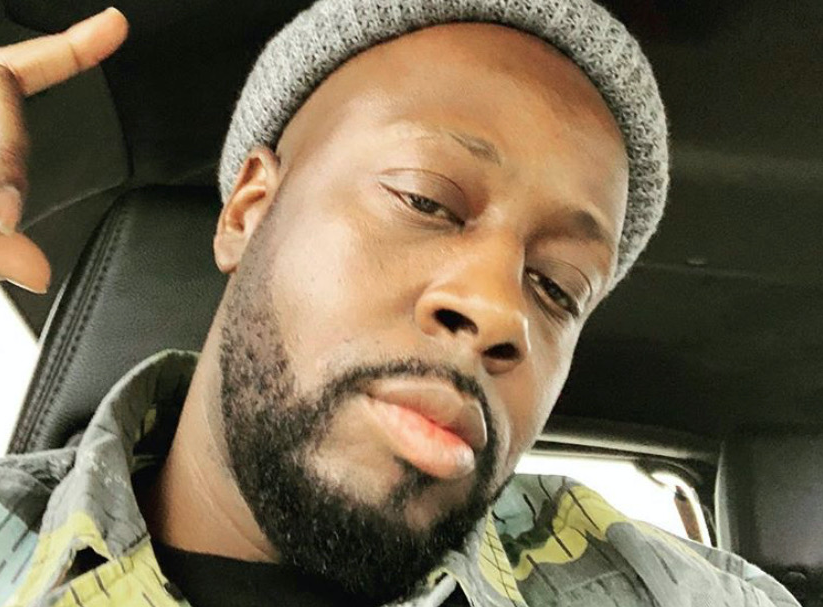
Wyclef Jean is not doing a comeback. He is doing seven of them.
The Fugees co-founder just released Clef Notes, his first solo studio album in nearly nine years, and it lands as only the first piece of a project he is calling Quantum Leap. The plan is staggering. Wyclef Jean intends to release seven albums across a single year, each one built around a different genre he has spent his career mastering. Clef Notes is the hip-hop chapter, and it arrived on June 26th. Six more are on the way.
The concept is exactly as bold as it sounds. Rather than one big return, Wyclef mapped out a run of seven records, each with seven songs, moving through hip-hop, jazz, country, reggae, R&B, gospel, and the global sounds closest to his roots, including Haitian kompa and rara jazz. Earlier this year he named some of the projects to come, including an R&B album called Grown & Sexy, a country album, a kompa album, and a jazz album dedicated to Quincy Jones. It is the kind of swing most artists would never attempt, and Wyclef Jean is doing it on purpose, framing the whole thing as the culmination of 30 years in music.
Clef Notes itself is autobiographical and built like a time machine. Every track is titled with a year, and the album jumps around his life instead of moving in a straight line. It opens with an intro called Memory Lane, narrated by Lena Waithe, who tells him to take it back to the beginning. From there Wyclef leaps between decades, touching his childhood as a Haitian immigrant, his come up in the early days of hip-hop, his religious reckonings, and even a look into the future. He produced the album himself, a deliberate return to the hands on style that made his name.
The features do a lot of the talking. Rapsody appears on Boom Bap and nearly steals the record with one of the sharpest verses on it. PRICE and Kayla GC join him on Devil’s A Lie, a two part song that flips its own beat halfway through to turn into a prayer. G Herbo shows up on Mr. October, and the emotional center of the album is GBTC, short for God Bless the Child, which pulls in Lil Wayne, Andra Day, and jazz trumpeter Theo Croker all at once. Croker returns on Gemini Man, a song set in 2030 that imagines a world beyond the platforms we live on now. The album closes on Freedom, where the gospel group Joyous Celebration takes it home.
Wyclef Jean chose to open the series with hip-hop for a reason. He explained that starting there is his way of paying tribute to what made him, pointing to his path from church music and a jazz major to finding himself through rap. He also promised fans something they have been missing. He said it is a return to real Wyclef production, the sound people fell in love with on The Score and The Carnival. For anyone who grew up on those records, that alone is worth paying attention to.
There is one part of the rollout that has sparked debate. Wyclef has been open about leaning on artificial intelligence to help him move faster, and he consults on AI music for major tech companies. He has said that if he were a new artist today he would be working at double speed, and the seven album pace is proof of concept. Some fans love the efficiency. Others worry that AI in the studio chips away at the human imperfection that makes music feel alive. Wyclef Jean is not hiding from that conversation. He is standing right in the middle of it, betting that the tools do not replace the artist, they just free him up.
The timing could not be richer for him. The Score just turned 30, and The Carnival hits the same milestone next year. This year Wyclef Jean reunited with Lauryn Hill for a string of performances, from the Grammys to SNL50 to a Global Citizen show in Rio, reigniting one of the most important creative partnerships in the culture. He also delivered the In Memoriam tribute at the 2026 Grammys, honoring Roberta Flack, D’Angelo, and Fugees collaborator John Forté. And with Haiti returning to the FIFA World Cup for the first time since 1974, his Haitian pride is running loud, which threads directly through the sounds he is promising later in the Quantum Leap series.
Early reception has been strong, and not in the polite way legacy artists usually get graded. Reviewers have called Clef Notes ambitious and dense, describing Wyclef as writing scripture for the street and pointing out that the feature list alone signals this is no nostalgia cash grab. The scrambled timeline, the beat switches, the jazz horns bleeding into trap drums, all of it reads like a man with something left to prove rather than a victory lap. At a moment when plenty of nineties legends are content to tour on their classics, Wyclef Jean is trying to build something new and enormous.
Whether he actually delivers all seven albums on schedule is the real question, and even he would probably admit that is a wild bar to clear. But Clef Notes makes the case that the ambition is not just talk. One chapter in, Wyclef Jean has already reminded people that he can rap, produce, arrange, and tell his own story better than almost anyone from his era. Six more albums stand between him and one of the boldest runs any artist has ever attempted, and he is daring everyone to watch him try.
